Business Compliance Guide
Navigating Queensland’s Single-Use Plastics Ban
The Queensland single-use plastics ban affects how businesses choose, supply and manage everyday packaging items.
This guide explains what businesses need to know, how to prepare and how sustainable alternatives can support better outcomes.
Queensland Single-Use Plastics Ban: What It Means
The Queensland single-use plastics ban is an important step toward reducing plastic pollution and supporting more sustainable business practices.
The ban affects several everyday plastic items that often become litter or landfill waste. Therefore, businesses need to review their packaging, stock and customer processes.
However, the change also creates an opportunity. By choosing better alternatives, businesses can improve compliance, reduce waste and show stronger environmental responsibility.
Understanding the Queensland Single-Use Plastics Ban
The ban targets items that contribute to plastic pollution. Businesses should check their current products and remove banned items from everyday use.
Plastic shopping bags
Some plastic shopping bags that do not meet new requirements are included in the ban.
EPS loose-fill packaging
Loose-fill packaging made from expanded polystyrene is also targeted.
Plastic cotton buds
Cotton buds with plastic stems are included because they can easily become litter.
Microbeads and balloon releases
The ban also covers plastic microbeads in rinse-off products and balloon releases.
For detailed item guidance, visit the official Queensland plastics ban banned items page.
How the Queensland Plastics Ban Impacts Businesses
Businesses in Queensland need to review the products they sell, supply or use. In many cases, this means removing banned items from inventory and replacing them with approved alternatives.
The transition may require planning. However, it can also improve brand trust and appeal to customers who care about sustainability.
Most importantly, businesses should communicate clearly with staff and customers so everyone understands the change.
Queensland Single-Use Plastics Ban Compliance Steps
To comply with the ban, businesses should take a practical step-by-step approach.
1. Audit
Identify single-use plastic items currently in use or in stock.
2. Replace
Choose suitable alternatives such as reusable, paper or recycled options.
3. Educate
Inform staff and customers about the changes and why they matter.
4. Review
Check processes regularly to maintain compliance over time.
Operational Impacts and Brand Benefits
Some businesses may face short-term costs when replacing banned products. For example, they may need to source new suppliers or update customer communication.
However, the long-term benefits can be valuable. Sustainable alternatives can strengthen brand reputation and help attract eco-conscious customers.
In addition, encouraging customers to bring reusable bags or containers can reduce the need for disposable packaging.
Environmental Benefits of the Queensland Plastics Ban
The ban supports a cleaner environment by reducing avoidable plastic waste. It also encourages businesses to think more carefully about the materials they use.
In addition, the ban aligns with circular economy principles. This means reducing waste, keeping materials in use and choosing alternatives with better end-of-life outcomes.
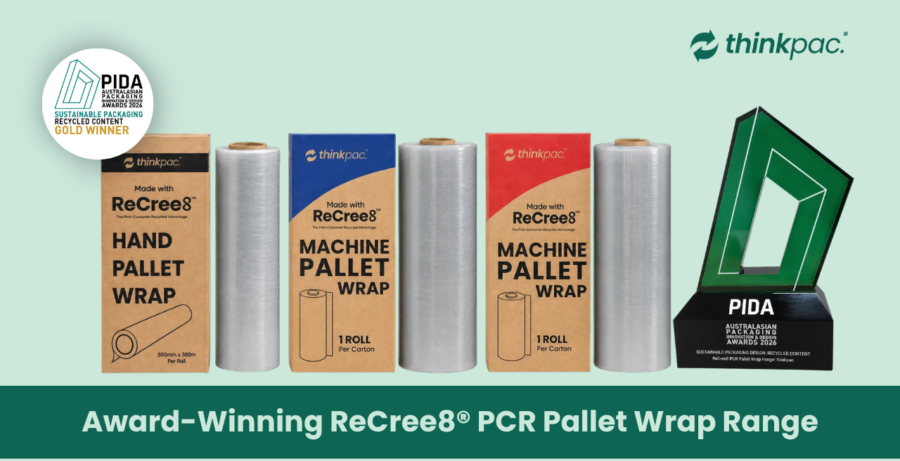
At thinkpac, we support this shift through ReCree8® resin and post-consumer recycled packaging solutions.
Sustainable Alternatives for Queensland Businesses
Businesses can choose different alternatives depending on their use case, customer needs and disposal pathway.
Reusable options
Reusable bags and containers can reduce reliance on single-use items.
Recycled content
Post-consumer recycled products help support demand for recovered materials.
Paper or compostable materials
These can be useful when they suit the local disposal and collection system.
Explore reusable and post-consumer recycled bags from thinkpac.
Encouraging Sustainable Customer Behaviour
Businesses can help customers adapt to the Queensland single-use plastics ban by making the change simple and visible.
For example, clear signage, staff reminders and reusable bag options can reduce confusion at checkout.
These small actions can help customers build better habits and support long-term waste reduction.
Preparing for Future Single-Use Plastic Changes
Queensland’s plastic reduction work continues beyond the current ban. Future changes may include more single-use items, so businesses should stay informed.
A regular packaging review can help businesses prepare early. It can also reduce rushed decisions when new rules come into effect.
For official updates, visit the Queensland Government single-use plastic products ban page.
Official Resources for the Queensland Plastics Ban
Businesses should always check official sources for the latest requirements and item guidance.
Final Thoughts: Turn Compliance Into Progress
The Queensland single-use plastics ban is not only a compliance issue. It is also a chance for businesses to improve their packaging choices.
By auditing current products, sourcing better alternatives and educating customers, businesses can reduce waste and build stronger trust.
With the right approach, this change can support both business goals and environmental progress.
Choose better packaging
Prepare for Plastic Reduction With Thinkpac
Contact the thinkpac team to explore reusable, recycled and sustainable packaging options for your business.