
Sustainable Packaging Guide
A Practical Guide to Sustainable Packaging for SMEs
Sustainable packaging is now a key priority for businesses that want to reduce plastic waste, lower carbon impact and prove their environmental progress.
From household names to global companies, big brands are under pressure to cut their carbon footprint. Packaging is now front and centre. With stricter rules and customers demanding accountability, businesses are changing how they design, source and use packaging.
What This Sustainable Packaging Guide Covers
Small and medium-sized businesses can learn a lot from larger brands. By following similar steps, SMEs can speed up their sustainability journey and stay competitive in a market that values eco-friendly action.
Big brand actions
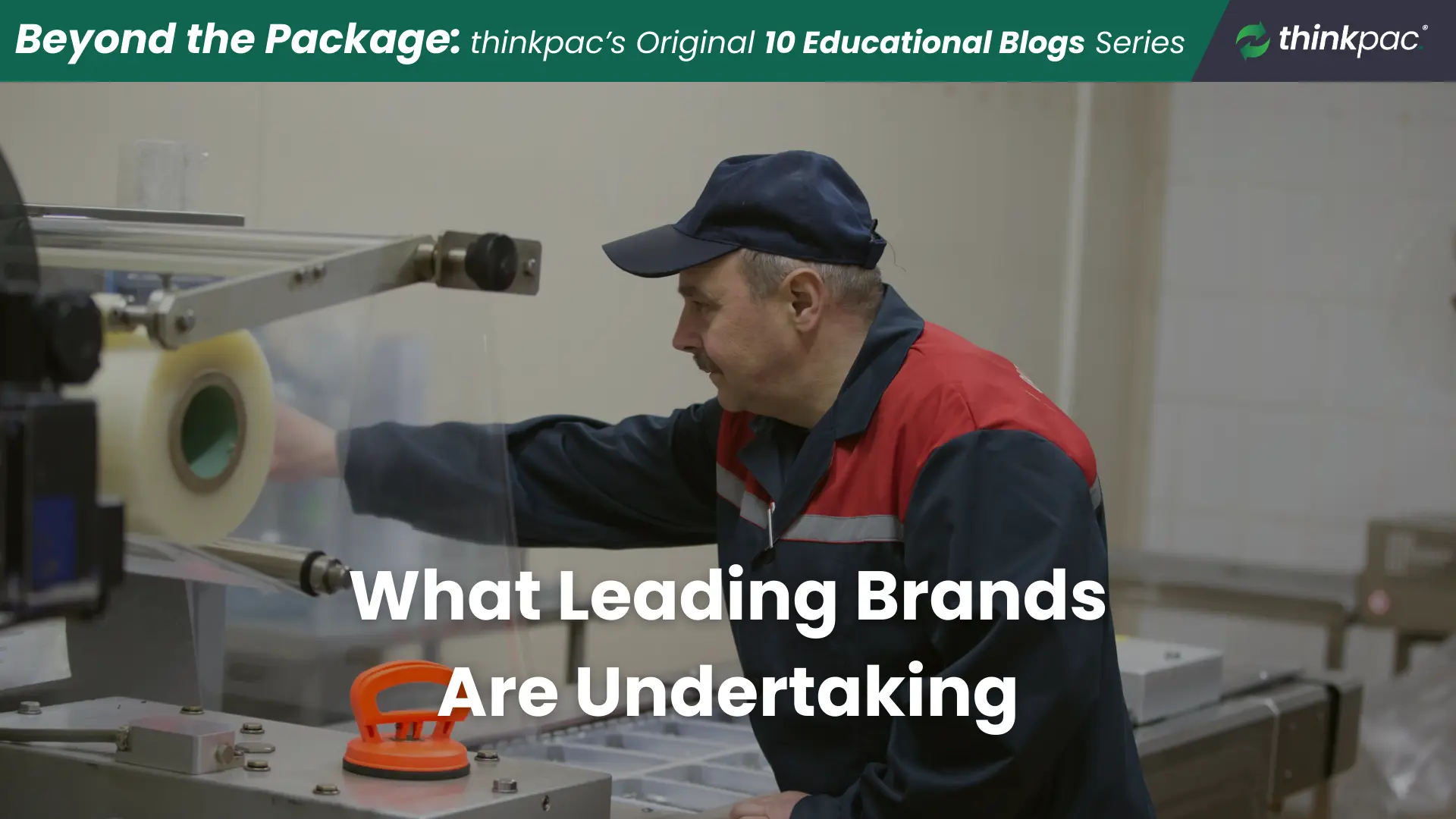
What leading brands are doing to improve packaging sustainability.
SME strategies
Simple steps smaller businesses can adopt without major cost.
Proof and trust
Why showing real sustainability data matters for growth.
What Big Brands Are Doing in Packaging Sustainability
Large companies are not just making promises. They are investing in packaging changes that reduce waste, improve traceability and support circular economy goals.
1. Setting Clear PCR Targets
Many major brands have committed to using more post-consumer recycled plastic in their packaging. These public targets help suppliers and customers understand the direction of change.
2. Cutting Out Virgin Plastics
Some retailers are reducing virgin plastic in private-label products. They are moving toward reusable, refillable or recyclable packaging formats.
3. Demanding Certifications
Brands are asking for proof through standards such as GRS for recycled plastic, AS 4736 for compostable plastics, FSC for paper and life cycle assessments for carbon data.
4. Tracking Packaging Carbon
Leading companies now want carbon footprint data for each packaging unit so they can measure reductions and report progress clearly.
What SMEs Can Learn and Apply Now
SMEs may not have the same budgets as large corporations. However, smaller businesses can often move faster. These practical steps can help improve packaging sustainability without overcomplicating the process.
Choose packaging that shows your values
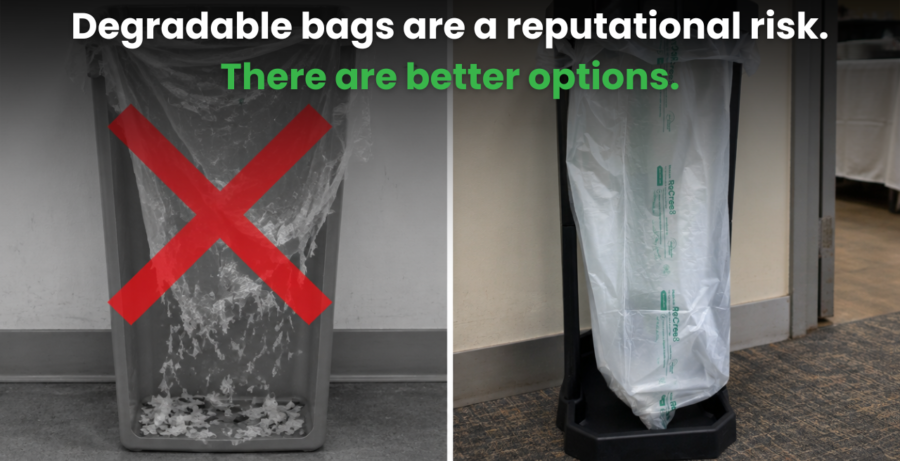
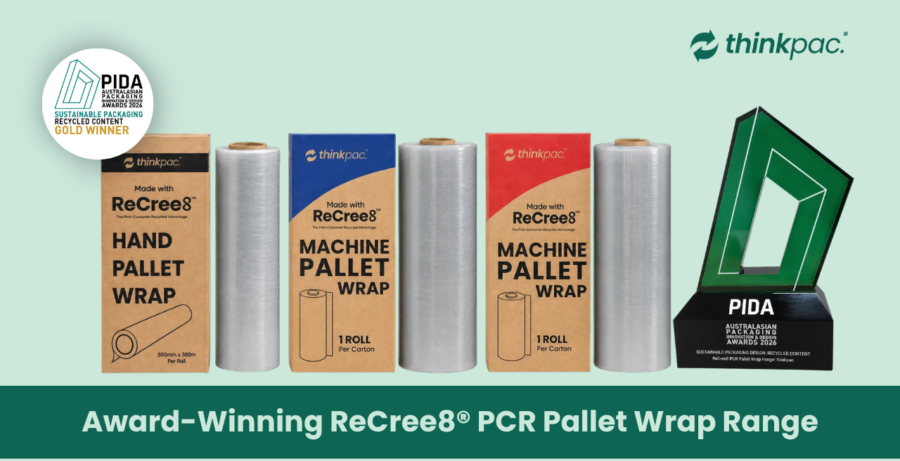
Swap virgin plastic for recycled options such as PCR bin liners, pallet wrap with recycled content, recycled fibre bags and flexible films designed for existing machines.
Work only with verified suppliers
Ask suppliers for proof of PCR content, life cycle data, certification documents and audit-ready sustainability information.
Tell your sustainability story
Use case studies, social media, website content, packaging labels and customer presentations to show your progress.
Use credible industry language
Terms such as circular economy, PCR content, Scope 3 emissions, traceability and impact per unit help build credibility with larger partners.
Why PCR Packaging Is Key to Sustainable Packaging
Post-consumer recycled packaging is one of the most practical ways businesses can reduce reliance on virgin plastic and support more responsible material use.
♻️
Less waste
Helps divert plastic from landfill.
🌱
Lower carbon
Uses less energy than virgin plastic production.
📊
Better ESG
Supports reporting, procurement and transparency.
✅
Proof
Backed by certification and documentation.
PCR packaging is not just a trend. It is becoming a core part of sustainable supply chains.
Final Thoughts: Act Small, Think Big
Big brands are already leading the way, but SMEs do not need to wait. By setting clear sustainability goals, working with certified suppliers and sharing real progress, smaller businesses can build stronger trust with customers.
With thinkpac’s range of certified sustainable packaging, from bin liners to pallet wrap, your business can reduce waste, cut carbon and show practical action.
The goal is not just to use better packaging. The goal is to choose packaging that supports a more circular and accountable future.
Next steps
Start Your Sustainable Packaging Journey
Contact the thinkpac team to assess your packaging impact, explore certified PCR packaging and identify practical ways to reduce your environmental footprint.