

Packaging Sustainability Guide
Greenwashing or Green Verified? How to Tell the Difference in Packaging Claims
Greenwashing in packaging claims can make products look more sustainable than they really are. To make better choices, businesses need proof, certification and measurable environmental data.
As consumer demand for eco-friendly products grows, sustainability has become a boardroom priority. However, many brands still use vague promises, green labels and incomplete claims to appear environmentally responsible. This guide explains how to spot greenwashing and choose packaging backed by genuine certification.
What Is Greenwashing in Packaging?
Greenwashing happens when a company promotes a product as eco-friendly, sustainable or environmentally responsible without enough evidence to support the claim. In packaging, this often appears through broad phrases such as green, natural, recyclable or earth-safe.
These words may sound positive. However, without third-party proof, clear recycled content data or life cycle information, they can mislead buyers and weaken genuine sustainability efforts.
Vague claims
Words like green, earth-safe or eco-friendly often lack clear meaning unless they include evidence.
No certification
Claims need support from recognised standards such as GRS, LCA data or other independent verification.
Misleading visuals
Leaves, nature scenes and green colours can imply environmental benefits without proving them.
Common Greenwashing Tactics to Watch For
Many packaging claims sound helpful at first. However, businesses should check whether the claim explains the material source, the percentage of recycled content and the certification behind it.
Overstated small gains
A claim such as 20% less plastic may sound strong, but it may hide a larger environmental issue if the product still relies heavily on virgin plastic.
Recyclability greenwashing
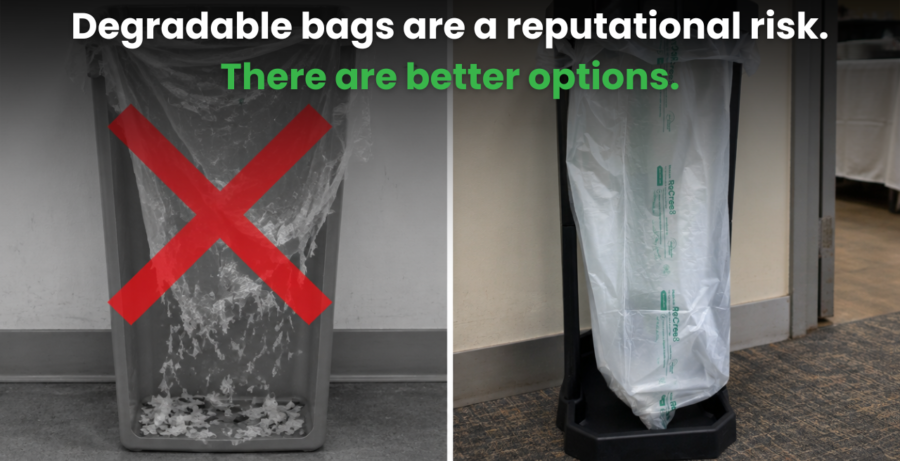
Some packaging is technically recyclable, but local recycling systems may not accept or process it in practice.
Irrelevant claims
A product may highlight one minor environmental benefit while ignoring the bigger impact of sourcing, production or disposal.
No supporting data
If a supplier cannot provide certificates, life cycle data or traceability, the claim may not be reliable.
Why Businesses Need to Spot Greenwashing
Greenwashing does not only confuse consumers. It also creates risk for businesses, procurement teams and brands that rely on packaging claims to support their sustainability goals.
🤝
Trust
Misleading claims can make customers sceptical of all sustainability messages.
⚖️
Compliance
Regulators are increasing scrutiny of false, vague or unsupported green claims.
🌏
Impact
Without genuine data, businesses cannot accurately reduce emissions or plastic waste.
What Green Verified Packaging Claims Look Like
Green verified packaging is backed by independent evidence, genuine sustainability initiatives and transparent supply chains. It does not rely on broad language alone.
Third-party certification
Look for recognised standards such as GRS for recycled content, AS 4736 or AS 5810 for compostability, and LCA data for impact.
Precise claims
A strong claim states the actual material percentage, source and standard, such as verified post-consumer recycled content certified to GRS standards.
Transparent reporting
Suppliers should provide traceability, sustainability reporting and clear data on environmental benefits.
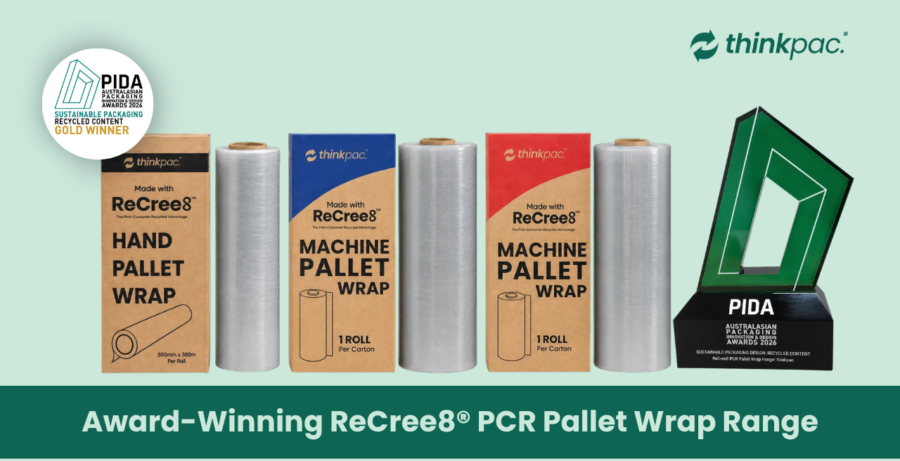
At thinkpac, our ReCree8® PCR resin is produced in a GRS and ISO 14001 certified facility, helping customers choose true sustainability instead of greenwashed marketing.
Greenwashing vs Genuine Sustainability
The difference between greenwashing and verified sustainability comes down to proof. Greenwashing relies on appearance, while green verified packaging relies on certification, traceability and measurable data.

Why Verified PCR Solutions Help Fight Greenwashing
Post-consumer recycled packaging can provide measurable environmental benefits when it is properly verified. It helps businesses reduce reliance on virgin plastic and support circular packaging outcomes.
♻️
Verified content
Proof helps businesses avoid false or unclear claims.
🔄
Circularity
PCR keeps recovered material in use for longer.
🌱
Lower impact
PCR can reduce carbon footprint compared with virgin plastic.
✅
ESG support
Clear data supports procurement and sustainability reporting.
thinkpac’s certified PCR range demonstrates genuine environmental commitment and helps businesses support sustainability initiatives with evidence.
Real-World Drivers: Why Green Verified Packaging Matters
Sustainability claims now face more pressure from consumers, regulators and procurement teams. Therefore, businesses need packaging partners that can prove their claims clearly.
Consumers are losing trust
Many shoppers now question environmental claims, especially when brands provide little evidence.
Regulators are watching
Organisations such as the ACCC and EU regulators are increasing action against misleading environmental claims.
Procurement needs proof
Retailers and business buyers need verified suppliers that can support ESG goals and reporting needs.
7 Questions to Ask Your Packaging Supplier
Before you commit to a packaging supplier, use these questions to spot greenwashing and confirm whether their sustainability efforts are genuine.
- Is the recycled content verified by an independent third party?
- Can you trace materials to a post-consumer source?
- Which sustainability certifications support these claims?
- What is the packaging’s true environmental impact compared with virgin plastic?
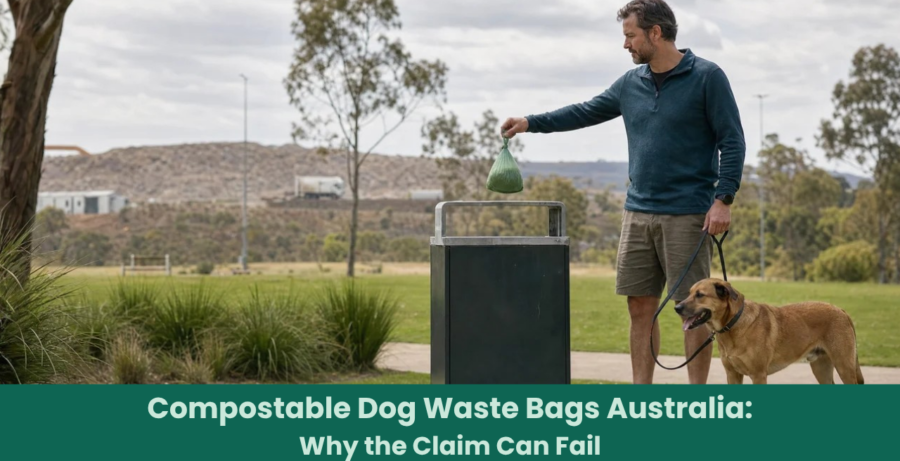
- Under what conditions is it recyclable, compostable or biodegradable?
- Do you publish lifecycle assessments or emissions data?
- How do these practices align with your company’s commitment to sustainability?
If a supplier gives unclear answers, that may signal greenwashing. Instead, choose a partner that provides practical data, certifications and transparent reporting.
Learn More About Verified Packaging Claims
For broader guidance on environmental claims in Australia, you can review the
ACCC greenwashing guidance.
For circular economy principles, the
Ellen MacArthur Foundation
provides useful resources.
You can also explore ReCree8® resin, try the
ReCree8® Impact Calculator, or view our
products.
Final Thoughts: Be a Green Verified Leader
Greenwashing is common, but your business does not have to rely on vague claims. By choosing green verified, certified PCR packaging, you can protect your brand and support measurable sustainability outcomes.
The best packaging choices are backed by proof. They use verified recycled content, transparent supply chains and clear environmental data.
Genuine sustainable choices drive real change. Do not just look green. Be green, with packaging claims your customers can trust.
Next steps
Ready to Align With Real Sustainability?
Explore thinkpac’s certified PCR packaging solutions, including bin liners, pallet wrap and more. Our team can help you avoid greenwashing, verify sustainability claims and choose practical circular packaging.