WA Single-Use Plastics Ban: What Businesses Need to Know
The WA single-use plastics ban is moving into its next stage. Western Australia has already removed many common plastic items from sale, including lightweight shopping bags, plastic straws, polystyrene foodware and plastic coffee cups.
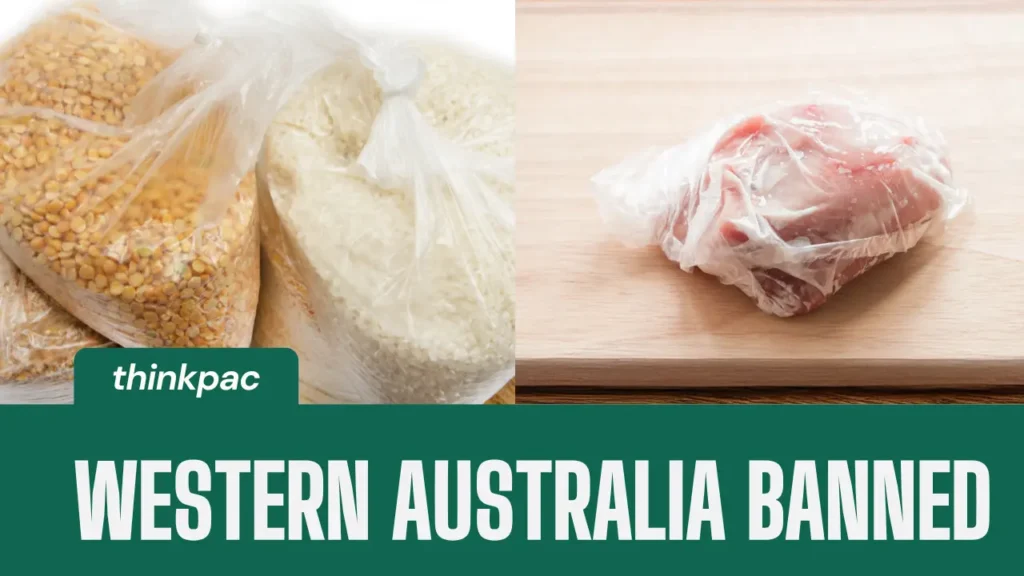
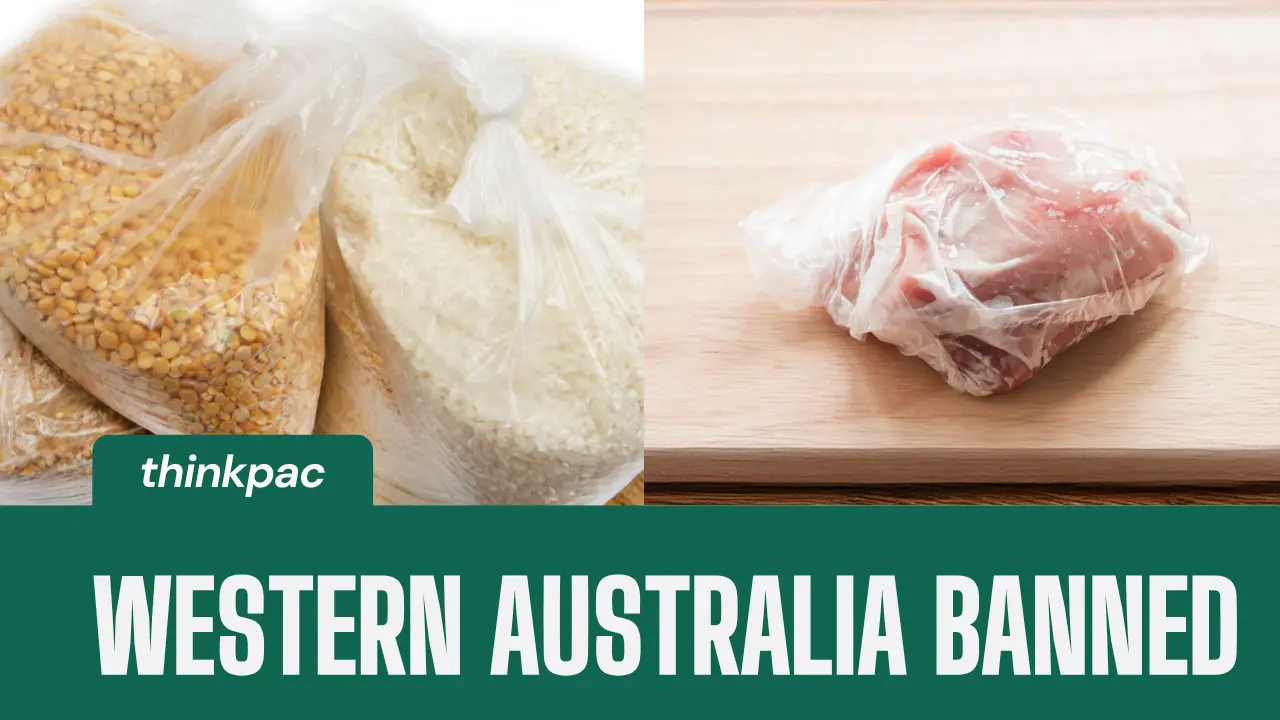
Now, the focus has turned to plastic barrier bags. These are the thin bags often used for loose fruit, vegetables, nuts, confectionery, meat, seafood and dairy products.
For supermarkets, grocers, food retailers, market stalls and packaging suppliers, this change matters. Businesses need to review their current packaging and move to compliant options before the next deadlines.
The key change is simple: non-compliant plastic barrier bags are being phased out in WA and replaced with certified compostable or reusable alternatives.
Why WA Is Targeting Plastic Barrier Bags
Western Australia has built a strong reputation for action on single-use plastics. Its Plan for Plastics aims to reduce plastic waste, cut litter and support better recovery systems.
Barrier bags may look small, but they create a large waste problem. Shoppers use them every day for loose produce and unpackaged food. After a short use, many end up in landfill or as litter.
Because of this, WA is pushing businesses toward better options. These include reusable produce bags, paper-based alternatives and certified compostable barrier bags that can support food waste recovery systems.
Key Dates for the WA Barrier Bag Ban
The new rules will roll out in stages. This gives retailers, suppliers and distributors time to check their stock, contact suppliers and move to compliant packaging.
Already active
Produce bags
WA has already banned non-compostable plastic produce bags for loose fruit and vegetables.
From 1 October 2025
Dry goods and produce
The design standard applies to barrier bags used for loose fruit, vegetables, nuts and confectionery.
From 1 October 2026
Meat, seafood and dairy
The ban extends to plastic barrier bags used for loose meat, seafood and dairy products.
In practical terms, businesses should not wait until the deadline. Existing non-compliant stock may become unusable once the rules apply.
What Makes a Barrier Bag Compliant?
A compliant bag must meet clear design rules. These rules help shoppers, retailers and composting facilities identify the right products.
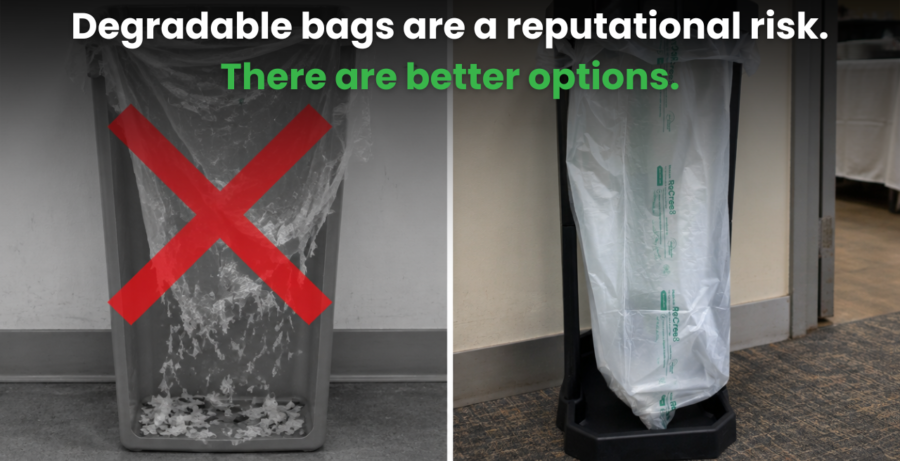
Most importantly, businesses should avoid vague claims such as biodegradable, degradable or eco-friendly. Instead, they should look for recognised compostable certification.
Certified compostable
Bags must carry home compostable certification under AS 5810 or industrial compostable certification under AS 4736.
Clear identification
Each bag must show the correct compostable logo and certification number, so customers and staff can identify it easily.
Approved appearance
Bags must be clear or lightly tinted. Green tinting is allowed because it helps identify compostable bags.
No handles
The bag design must not include handles. This helps separate barrier bags from shopping bags.
What the WA Plastic Ban Means for Businesses
The WA plastic ban affects more than supermarkets. It also affects grocers, market stalls, foodservice distributors, warehouses, packaging suppliers and retailers that supply loose or unpackaged goods.
Because the rules apply to the sale and supply of barrier bags, businesses need to check both their front-of-house packaging and their supply chain.
Businesses should:
- ✅ Review all plastic barrier bags currently used or supplied.
- ✅ Ask suppliers for compostable certification documents.
- ✅ Remove non-compliant stock before the relevant deadline.
- ✅ Train staff on new bag options and customer questions.
- ✅ Offer reusable, paper or certified compostable alternatives where suitable.
This step is especially important for national businesses. A product that remains acceptable in one state may not meet WA requirements.
Compliant Alternatives to Plastic Barrier Bags
Businesses have several options. The best choice depends on the product, hygiene needs, customer experience and available waste systems.
Reusable produce bags
Suitable for customers who bring their own bags or containers.
Certified compostable bags
Useful for loose produce and food scraps when certification is valid.
Paper bags or boxes
A simple option for nuts, produce, confectionery and dry goods.
Butchers’ paper or wax paper
A practical alternative for deli, meat and seafood counters.
However, not every alternative suits every product. Businesses should test replacements before making a full switch.
Are Any Bags Exempt?
Yes. Some products are not covered by the barrier bag rules. For example, reusable fabric produce bags, bread bags, pre-packed product bags, freezer bags and resealable zip-lock bags may remain available.
Even so, businesses should avoid assumptions. If a bag is used for loose or unpackaged food in WA, it is worth checking whether the new rules apply.
Why Clear Customer Communication Matters
Packaging changes can confuse customers if they appear suddenly. Therefore, clear communication will help retailers explain the switch and reduce friction at checkout.
Simple signs can explain why old-style barrier bags are no longer available. Staff can also remind shoppers to bring reusable produce bags or containers.
As a result, businesses can meet compliance requirements while also showing leadership on plastic waste reduction.
Final thoughts
Preparing for the WA Single-Use Plastics Ban
The WA single-use plastics ban gives businesses a clear direction. Traditional plastic barrier bags are being phased out, while certified compostable and reusable options are becoming more important.
For retailers, suppliers and distributors, the next step is simple: review your current packaging, confirm certification and plan the change before the deadline.
By acting early, businesses can reduce compliance risk, avoid wasted stock and support a cleaner packaging system across Western Australia.