Responsible Plastic Use
Thinkpac Recommits to Responsible Plastic Use After the REDcycle Halt
The REDcycle Halt showed that soft plastic recycling needs more than collection points. It needs clear pathways, trusted processing and strong demand for recycled products.
At thinkpac, we remain focused on circular packaging solutions that help turn recovered plastic into useful products.
REDcycle Halt and the Future of Soft Plastic Recycling
The REDcycle Halt reminded Australia that soft plastic recycling must be backed by strong systems, real transparency and reliable end markets.
At thinkpac, we believe plastics can still play a useful role when businesses manage them responsibly.
The key is simple: recovered soft plastic must move into safe processing and then into products that people and businesses actually use.
What the Soft Plastic Stockpiles Revealed
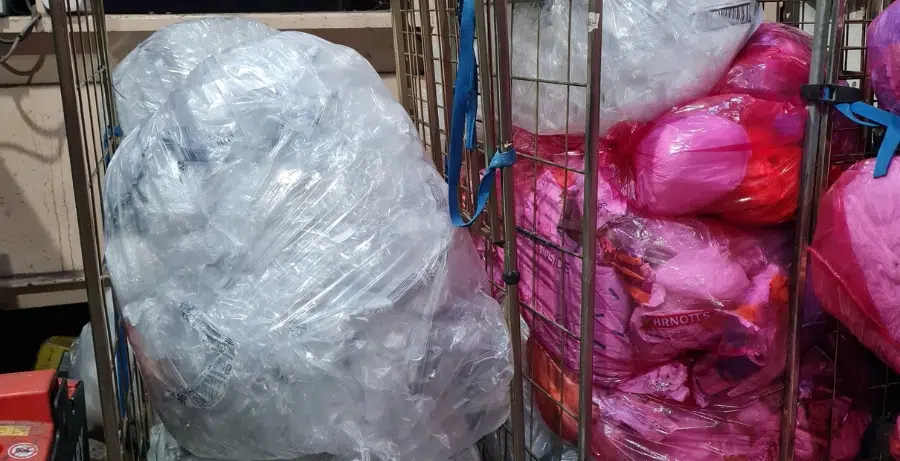
The discovery of large soft plastic stockpiles in Melbourne warehouses reduced public trust in recycling programs.
The issue was not just about collection. It showed that recovered plastic needs reliable buyers, processors and product applications.
You can read the original public report from ABC News.
What Responsible Plastic Management Needs
A responsible system needs more than good intentions. It needs a complete path from collection to reuse.
Collection
Soft plastics need safe and clear recovery pathways.
Processing
Recovered material must move into real recycling systems.
End markets
Recycled plastic needs demand from product manufacturers.
Trust
Customers need confidence that recycling claims are real.
Rebuilding Trust in Soft Plastic Recycling
Many consumers wanted to know whether their soft plastics were really being recycled.
To rebuild trust, recycling systems need transparency. They also need proof that collected materials become new products.
This is why end markets matter. Without product demand, collected plastic can quickly become a storage problem.
Why the Collection Program Paused
The program gave consumers a place to return soft plastics. However, it paused after collected material could no longer move into reliable downstream pathways.
This highlights a key lesson. Collection programs need strong partners that can process, reuse and sell the recovered material.
Read more about post-consumer soft plastic and why material source matters.
The Role of Safety Checks and Regulation
Large stockpiles can create safety and environmental risks. Because of this, regulators stepped in to inspect sites and reduce fire hazards.
These checks help protect communities. They also show why recycling programs need good planning, safe storage and traceable outcomes.
Clear oversight helps keep recovery systems accountable.
Soft Plastics and the Circular Economy
A circular economy keeps materials in use for longer. For soft plastics, this means recovering material and turning it into new products.
This model works best when businesses buy recycled-content products. That demand gives collected material a clear purpose.
Learn more about making an impact with a circular economy.
Thinkpac’s Commitment to Better Plastic Recovery
Thinkpac remains committed to practical recycled-content packaging.
We support products that help create demand for recovered plastic. We also believe plastic should stay in useful supply chains wherever possible.
Read more about why soft plastic recycling sets thinkpac apart.
Why Australian Recycled Plastic Demand Matters
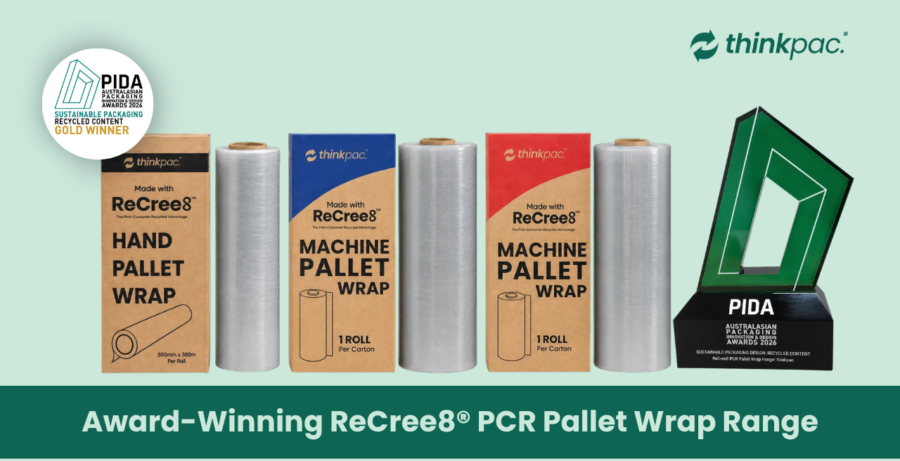
Recycled plastic needs buyers. When businesses choose products made with Australian recycled plastic, they help create demand for material recovery.
This demand supports recyclers, reduces reliance on virgin plastic and strengthens circular packaging systems.
Learn more about Australian recycled plastic in global import markets.
What Businesses Can Do Now
Businesses can help restore confidence in soft plastic recycling through practical purchasing and waste decisions.
Choose recycled content
Buy products that create demand for recovered plastic.
Ask for proof
Look for transparent sourcing and clear recycled-content claims.
Reduce waste
Avoid unnecessary plastic and recycle correctly where systems exist.
Learn More About Recycling and Plastic Recovery
For recycling and resource recovery advocacy in Australia, visit the Australian Council of Recycling.
You can also explore circular economy principles through the Ellen MacArthur Foundation.
For recycling education and action, visit Planet Ark.
Final Thoughts: Turning a Setback Into Progress
The pause in soft plastic collection was a setback. However, it also showed what Australia needs next.
We need transparent systems, strong end markets and products made with recovered plastic.
Thinkpac remains committed to better plastic recovery and useful recycled packaging products.
Support responsible plastic recovery
Explore Recycled Packaging With Thinkpac
Contact the thinkpac team to explore recycled-content packaging products that support circular economy goals and better plastic recovery.