
Plastic Waste and Recycling
Tackling Plastic Waste: How Recycled Plastics Can Help
Recycled Plastics can help reduce plastic waste, lower demand for virgin plastic and support a more circular packaging future.
This guide explains the environmental impact of plastic waste and why recycling is one practical part of the solution.
Recycled Plastics and the Plastic Waste Problem
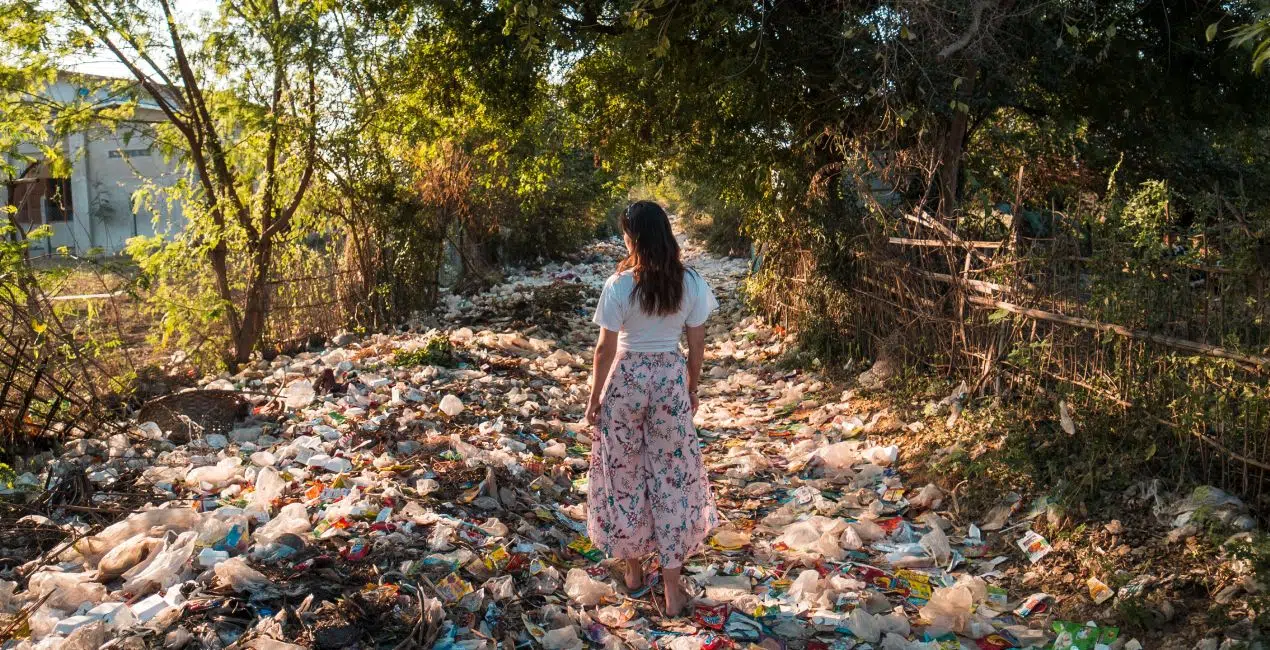
Recycled Plastics play an important role in tackling plastic waste. Every day, people and businesses use large amounts of plastic, and too much of it ends up in landfill, waterways and oceans.
Plastic pollution affects wildlife, ecosystems and human health. It also creates long-term pressure because many plastics take a very long time to break down.
However, recycling can help. When plastic waste becomes a new product, it can reduce the need for virgin plastic and keep useful material in circulation.
How Recycled Plastics Can Help
Recycling is not the only answer, but it is a key part of a wider waste reduction strategy.
Less landfill
Recovered plastic can move into new uses instead of becoming waste.
Lower demand
Recycled material can reduce the need for new virgin plastic.
Resource value
Plastic waste can become a useful raw material again.
Circular action
Recycling supports a system where materials stay in use longer.
The Environmental Impact of Plastic Waste
Plastic waste creates problems when people dispose of it poorly. It can enter rivers, oceans and natural spaces.
Over time, plastic can break into tiny pieces called microplastics. These small pieces can spread through soil, water and food chains.
In addition, producing new plastic uses fossil resources. That is why reducing, reusing and recycling plastic all matter.
Reduction and Reuse Still Come First
Reducing unnecessary plastic is the first step. Businesses should review where they use single-use plastic and look for better options where possible.
Reuse is also important. Reusable items can help reduce the amount of waste created in the first place.
Still, some plastic will remain in use. That is where recycling and recycled-content products can help close the loop.
The Plastic Recycling Process
Plastic recycling usually starts with collection and sorting. The material is then cleaned, shredded and processed into new raw material.
After that, manufacturers can use the recycled material to make new products. These may include packaging, furniture, clothing, bins and other everyday items.
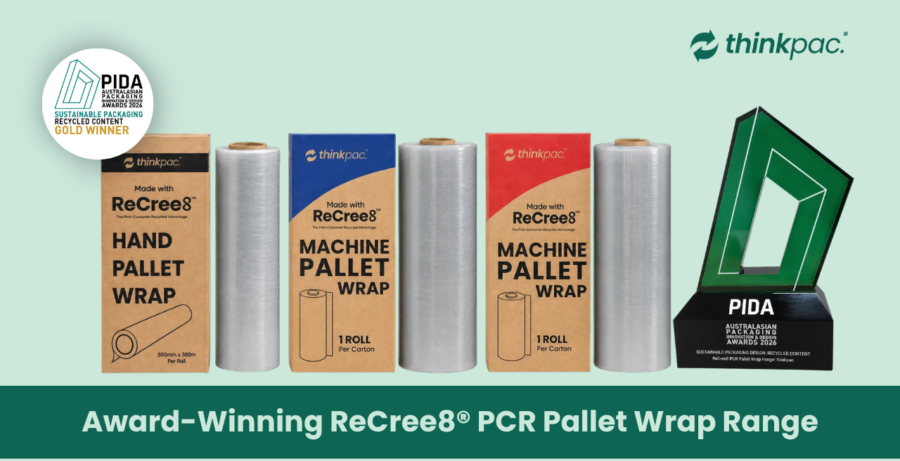
Learn more about ReCree8® resin and how thinkpac supports recycled material use.
Benefits of Recycled Plastics in Packaging
Packaging is one area where recycled plastic can make a practical difference. Businesses use packaging every day, so even small changes can add up.
When packaging uses recycled content, it can support material recovery and reduce demand for new plastic.
Explore thinkpac sustainable packaging products made for practical business use.
Recycled Plastics and the Circular Economy
A circular economy keeps materials in use for longer. Instead of following a take, make and dispose model, circular systems recover and reuse resources.
Recycled plastic supports this model because it gives discarded material a second life.
To learn more, visit the Ellen MacArthur Foundation.
Recycling Is Important, But It Is Not the Only Answer
Recycling alone will not solve the plastic waste crisis. It needs to work alongside waste reduction, reuse and better product design.
In addition, recycling systems need investment and good sorting habits from homes and businesses.
Together, these actions can improve recycling outcomes and reduce pollution.
Common Recycling Confusion
Many people still feel unsure about what can and cannot be recycled. This confusion can lead to contamination and lower recovery rates.
Clear information helps. Businesses can support better outcomes by using simple labels and choosing materials with clear end-of-life pathways.
Read our guide on plastic recycling myths.
What Businesses Can Do About Plastic Waste
Businesses can take practical steps to reduce plastic waste and support better recycling outcomes.
Reduce waste
Remove unnecessary plastic where practical.
Choose recycled content
Support demand for recovered materials.
Educate teams
Help staff sort waste and recycle correctly.
Learn More About Plastic Pollution and Recycling
To learn more about plastic pollution, visit the United Nations Environment Programme.
For recycling and resource recovery in Australia, visit the Australian Council of Recycling.
Final Thoughts: Turning Plastic Waste Into Value
Plastic waste has a serious environmental impact. However, businesses and consumers can still make meaningful changes.
By reducing waste, recycling correctly and choosing recycled-content products, we can help keep materials in use.
Recycled plastics are not a complete solution on their own, but they are a practical step toward a cleaner future.
Take action on plastic waste
Explore Recycled Packaging With Thinkpac
Contact the thinkpac team to explore packaging products made to support waste reduction, recycled content and circular economy goals.