Waste Management Guide
How to Choose the Right Bin Liner For Your Needs
This bin liner guide will help you choose the right bin liner size, strength and material for your waste needs.
The right bin liner keeps waste disposal cleaner, safer and more efficient. It also helps your business reduce leaks, avoid wasted material and choose more sustainable options where possible.
What This Bin Liner Guide Covers
Choosing the best liner is easier when you understand your bin size, waste type and liner strength. Therefore, this guide breaks the decision into simple steps.
Size
Learn how to match the liner to your bin capacity and shape.
Strength
Choose the right thickness for light, general or heavy waste.
Material
Compare traditional, compostable and recycled-content liners.
You can also browse our
bin liners and garbage bags
to compare available options.
Bin Liner Guide to Common Sizes
The correct bin liner size helps prevent spills, tears and messy overhang. In addition, it makes waste collection faster for homes, offices and commercial sites.
18L to 36L bin liners
These sizes suit bathrooms, bedrooms, kitchen tidy bins, small offices and light daily waste.
54L to 82L bin liners
These liners work well for medium office bins, outdoor bins, cleaning carts and heavier general waste.
120L to 140L bin liners
These larger liners suit commercial kitchens, schools, facilities teams and large collection points.
240L bin liners
These liners fit standard wheelie bins used across residential, commercial and industrial properties.
For larger bins, view our
240L bin liner options.
How to Measure Your Bin for the Right Liner
If you are not sure what size bin liner you need, measure your bin first. This simple step helps you avoid liners that are too tight, too short or too loose.
1. Measure the top
Measure around the widest part of the bin. Then divide the number by two to estimate liner width.
2. Measure the height
Measure from the base to the top. Next, add 10 to 20 cm for overhang and tying.
3. Choose slightly larger
Select a liner that matches or slightly exceeds your measurements for a cleaner fit.
Bin Liner Materials and Environmental Impact
Bin liners come in different materials. As a result, it is important to choose a liner that suits both the waste type and your sustainability goals.
Traditional liners
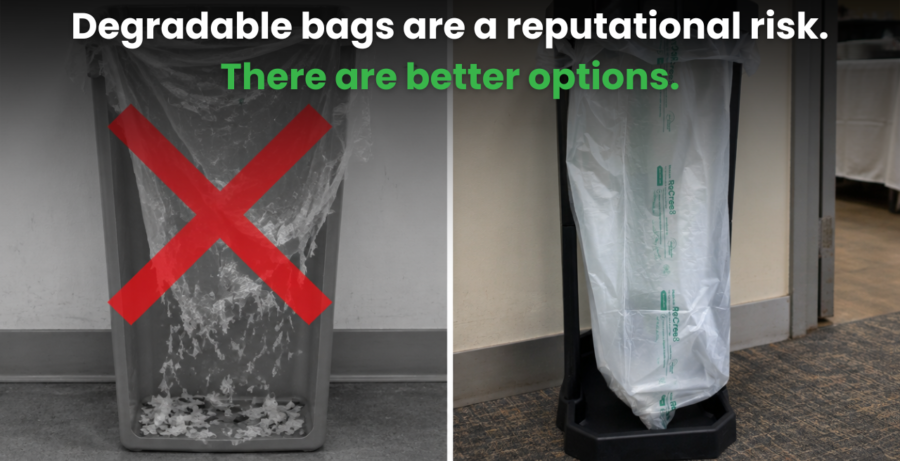
Many standard liners use virgin or pre-consumer plastic. They can perform well, but they may rely on new plastic material.
Compostable liners
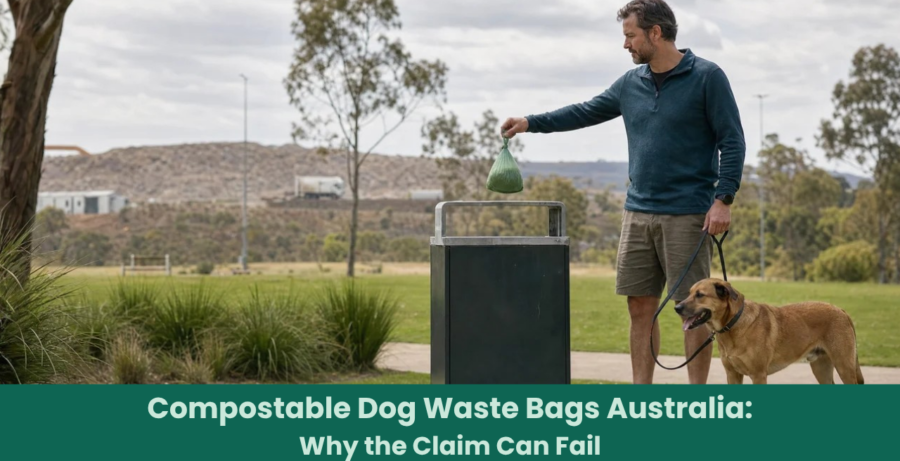
Compostable options can suit organic waste streams when the correct composting system is available.
PCR liners
Post-consumer recycled liners help reuse plastic waste and reduce reliance on virgin plastic.
To learn more about compostable packaging standards, you can visit
AORA
for organics recycling information.
You can also explore our
sustainable bin liner options.
Choosing the Right Bin Liner Strength
Strength matters because different waste types place different pressure on the liner. For example, wet waste needs leak protection, while sharp waste needs puncture resistance.
Light duty
Best for light, dry and non-sharp waste in offices, bathrooms and bedrooms.
Medium duty
Suitable for general household, kitchen, office and facilities waste.
Heavy duty
Designed for heavy, sharp or commercial waste that needs extra strength.
A liner that is too thin can split. However, a liner that is too thick may use more material than needed. The best choice balances strength, fit and waste type.
Proper Disposal for Better Waste Management
Proper disposal helps reduce contamination and supports better waste outcomes. Therefore, always match the liner to the correct waste stream.
Compostable liners
Use them only in the right organic waste or compost system. Otherwise, they may not break down as intended.
Recycled-content liners
Use them to support recycled material demand and reduce the need for virgin plastic.
For recycling and packaging guidance, you can visit the
Australian Packaging Covenant Organisation.
Bin Liner Guide: Key Takeaways
Assess your waste
Check whether the waste is wet, dry, sharp, light or heavy.
Choose the right size
Measure your bin and allow extra length for overhang and tying.
Select the right material
Compare traditional, compostable and post-consumer recycled options.
Dispose correctly
Follow local waste rules to reduce contamination and improve outcomes.
Final Thoughts: Choose a Liner That Fits the Job
Choosing the right bin liner improves cleanliness, reduces mess and supports better waste management. It also helps you avoid using more material than needed.
In short, the right liner should fit your bin, hold your waste safely and match your environmental goals.
At thinkpac, we offer bin liners for household, commercial and industrial needs, including options made with post-consumer recycled material.
Need help choosing?
Find the Right Bin Liner for Your Needs
Browse the thinkpac bin liner range or contact our team for help choosing the right size, strength and material for your waste stream.