
Circular Economy Insight
Global Recycling Strategy for Soft Plastics
Global recycling strategy can help Australia manage soft plastics more effectively by linking local waste needs with trusted recycling capability.
Soft plastics remain difficult to recycle at scale. However, trusted international recycling programs can support local efforts when they use clear traceability, strong standards and responsible processing.
Why a Global Recycling Strategy Matters
Australia faces ongoing challenges with soft plastics. These materials often need special sorting, cleaning and processing. As a result, local systems can struggle when volumes are high.
A global recycling strategy can help fill the gap. It allows soft plastics to move into trusted recycling facilities with the right technology, approvals and controls.
Most importantly, this approach keeps valuable material in use instead of sending it to landfill.
What Thinkpac’s Global Recycling Strategy Supports
Thinkpac’s approach connects recycling expertise, certified processing and circular packaging outcomes. Therefore, it supports both environmental action and practical business needs.
Soft plastics
Helps divert difficult materials from landfill.
Traceability
Supports clearer material tracking and accountability.
Circular economy
Turns waste into useful packaging products.
Local support
Complements Australia’s recycling infrastructure.
The Soft Plastics Recycling Challenge
Soft plastics can be hard to recycle because they are light, flexible and easily contaminated. In addition, they often need different equipment from rigid plastics.
When local systems cannot process this material at scale, valuable plastic can end up in landfill. This creates a problem for businesses that want better waste outcomes.
However, the right recycling partners can help recover this material and turn it back into useful products.
How Global Recycling Strategy Enhances Local Efforts
Thinkpac’s model uses trusted recycling capability to support local recycling needs. Instead of placing pressure on one system, this approach connects local collection with proven processing options.
This matters because recycling should not stop at collection. The material also needs a real pathway into new products.
By using recycling facilities with strong systems and experience, soft plastics can move through a clearer and more useful circular pathway.
Circular Economy Benefits for Soft Plastics
A circular economy treats waste as a resource. Therefore, soft plastics should not be seen only as a disposal problem.
When collected and processed correctly, soft plastics can become post-consumer recycled resin. This resin can then return to the market through practical products.
You can explore Thinkpac’s sustainable product range to see how recycled materials can support real packaging applications.
Recycling Technology and Trusted Processing
Soft plastics need careful handling. For example, recyclers must manage contamination, polymer type and material quality before the material can become a reliable product.
Thinkpac has worked with soft plastics recycling for many years. This experience helps us understand how to process material into useful recycled resin.
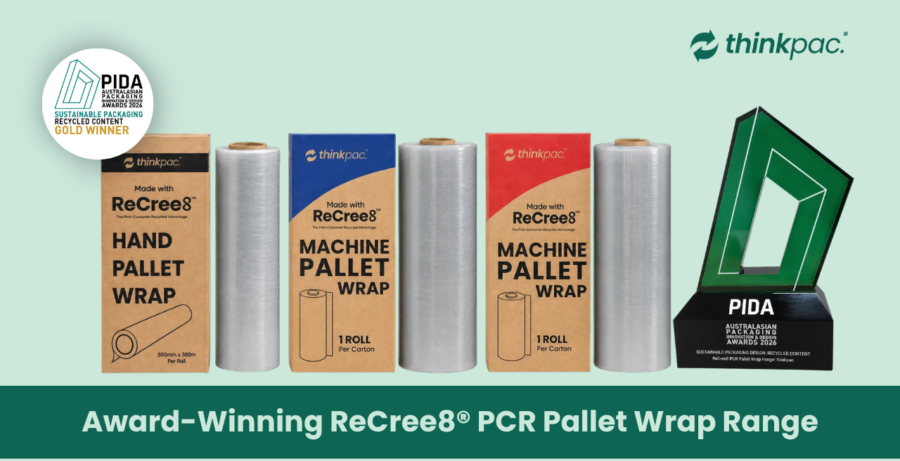
As a result, ReCree8® resin can support businesses that want to reduce reliance on virgin plastic and use more post-consumer recycled content.
Education Makes Recycling Work Better
Recycling systems work best when people know how to use them. For example, reducing contamination can improve sorting and increase recovery.
Businesses can also help by choosing products made with recycled materials. This creates demand for recovered soft plastics and supports the economics of recycling.
Therefore, education and procurement choices both play an important role in long-term recycling success.
Why Trusted Recycling Pathways Matter
Strong recycling pathways need transparency, traceability and clear approvals. This is especially important when recycling programs involve overseas facilities.
Responsible export should never mean losing visibility. Instead, it should involve trusted facilities, clear documentation and proper government approvals.
You can read more about Australia’s soft plastics pathway in this article from Waste Management Review.
Thinkpac’s Role in Soft Plastics Recycling
Thinkpac helps connect soft plastic recovery with practical recycled packaging outcomes. We focus on turning post-consumer soft plastics into ReCree8® resin and useful products.
This approach supports local sustainability goals while also using proven recycling capability where it is available.
Learn more about ReCree8® resin, visit our sustainability page, or explore our sustainable packaging products.
Final Thoughts: Recycling Beyond Borders
Sustainability needs action, not borders. When trusted global recycling pathways support local systems, soft plastics can stay in use for longer.
This does not replace local recycling. Instead, it can strengthen local efforts and help manage materials that need specialist processing.
With the right strategy, recycling can move from waste management to resource recovery. That is how soft plastics can become part of a stronger circular economy.
Build better recycling outcomes
Support a Smarter Global Recycling Strategy
Partner with thinkpac to explore recycled packaging products that support soft plastic recovery and circular economy goals.