Sustainable Packaging Insight
The Future of Circular Packaging for Soft Plastics
Circular Packaging can help soft plastics stay in use for longer, reduce landfill and create more demand for recycled-content products.
Soft plastics still play an important role in transport, food supply chains and product protection. The challenge is making them more sustainable.
Circular Packaging and the Role of Soft Plastics
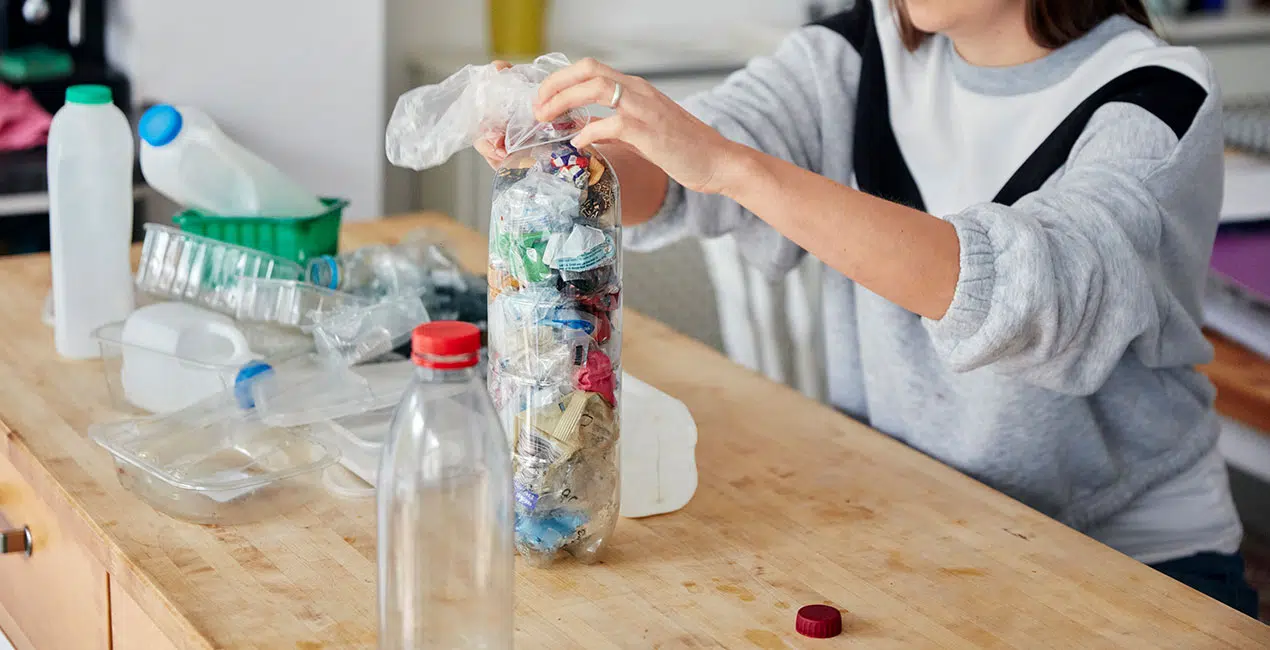
Circular Packaging gives soft plastics a better future. Instead of treating soft plastic as waste after one use, businesses can help recover it and turn it into new products.
Soft plastics support everyday supply chains. For example, pallet wrap helps secure goods during transport, while carton liners help protect fresh produce.
Therefore, the goal is not simply to remove all soft plastics. The real goal is to use them wisely, recover them properly and create strong demand for recycled material.
Why Soft Plastics Are Not Always the Problem
Soft plastics often work behind the scenes. They help protect goods, reduce product damage and support transport efficiency.
Vegetables, coffee tins, cartons and many consumer goods may use soft plastic somewhere in the supply chain.
However, problems appear when these materials have no recovery path. That is why circular design and recycled-content demand matter.
What Circular Packaging Needs
A stronger soft plastics system needs practical action across the whole packaging chain.
Better design
Packaging should support recovery and reuse where possible.
Higher recovery
More soft plastics need to move into recycling streams.
Buy recycled
Brands need to create demand for recycled-content products.
Clear proof
Suppliers should show recycled content and material traceability.
The Future of Circular Packaging for Soft Plastics
One of the 2025 National Packaging Targets focused on having 70% of plastic packaging recycled or composted.
To move closer to that goal, Australia needs to improve plastic packaging recovery rates. Recovery rate is one of the key signs of whether a recycling system is working.
Learn more about the 2025 National Packaging Targets.
Why Recovery Rates Matter
Recovery rates show how much material returns to the system instead of going to landfill. For soft plastics, this remains a major challenge.
Recent reports have shown that plastic recovery rates stayed relatively stable over several years. Planned infrastructure may improve this, but there is still a large gap to close.
Because of this, businesses need to do more than wait for recycling systems to improve. They need to create demand for recycled-content products now.
A Buy Recycled Approach for Brand Owners
At thinkpac, we believe major brand owners should adopt a buy recycled approach in their procurement policies.
This means choosing products that contain post-consumer recycled material where practical. As a result, recovered packaging waste gains more value.
Read more about post-consumer recycled content in packaging.
Why Post-Consumer Recycled Content Matters
Post-consumer recycled content comes from material that people or businesses have already used. Without recovery, this material may become landfill.
When brands choose products made with post-consumer recycled content, they help create demand for real waste recovery.
This demand encourages more investment, better collection and more product innovation.
How Demand Drives Recycling Investment
Recycling systems need demand. If no one buys recycled-content products, recovered material has limited value.
However, when brand owners buy recycled, they help create stronger end markets. This can encourage more investment in collection, sorting and processing.
In turn, stronger end markets can help soft plastics move from waste into valuable new products.
What Businesses Can Do Now
Businesses can support better outcomes for soft plastics through simple procurement and packaging decisions.
Review packaging
Check where soft plastics are used in your supply chain.
Choose recycled content
Buy packaging with verified post-consumer recycled material.
Ask for proof
Request documentation, recycled content details and traceability.
Learn More About Packaging Recovery
For packaging sustainability action in Australia, visit the Australian Packaging Covenant Organisation.
For recycling and resource recovery advocacy, visit the Australian Council of Recycling.
You can also learn about circular economy principles through the Ellen MacArthur Foundation.
Thinkpac’s Role in Circular Soft Plastic Packaging
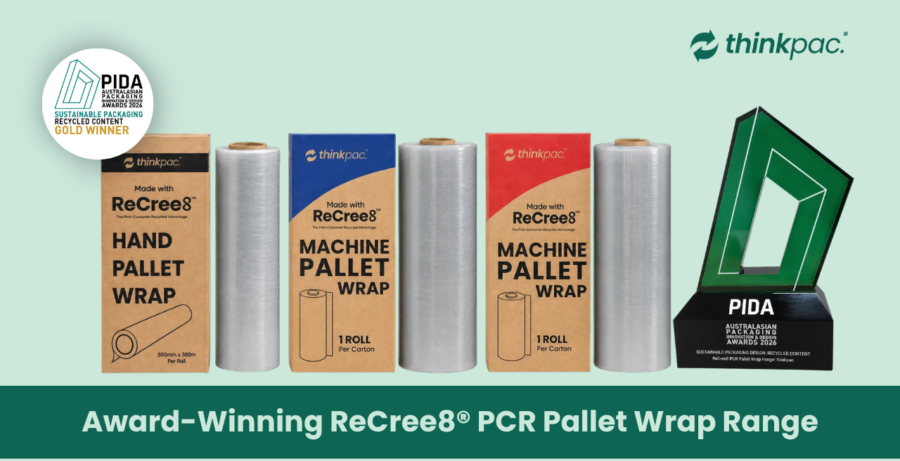
Thinkpac supports practical packaging solutions that use recycled material and help create demand for recovered plastic.
We believe soft plastics can have a better future when businesses connect recovery, recycling and procurement.
Visit thinkpac to learn more about our circular packaging approach.
Final Thoughts: Soft Plastics Need a Circular Future
Soft plastics are part of modern supply chains. They protect goods, support transport and help products reach customers safely.
However, their future depends on better recovery, stronger end markets and real demand for post-consumer recycled content.
The next step is clear: businesses must buy recycled and help build a stronger circular packaging system.
Build better packaging systems
Explore Circular Packaging With Thinkpac
Contact the thinkpac team to explore recycled-content packaging products that support recovery, circular economy goals and practical business needs.