Sustainable Packaging Insight
Making an Impact with a Circular Economy
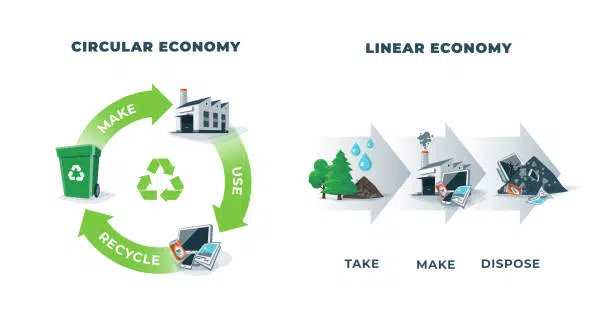
A Circular Economy helps businesses reduce waste, keep resources in use and move away from the old make, take and dispose model.
At thinkpac, this approach guides how we think about recycling, packaging design and better material use.
Circular Economy and Why It Matters
A Circular Economy is a better way to use materials. Instead of taking resources, making products and throwing them away, businesses can keep materials in use for longer.
This matters because the old linear model creates waste, uses more raw materials and increases pressure on the environment.
However, a circular model can help reduce waste, lower emissions and support more sustainable business growth.
Why the Linear Model No Longer Works
The make, take and dispose model depends on constant extraction of new materials. It creates waste at the end and often loses valuable resources.
This model also creates risks for businesses. Over time, material costs, supply pressure and customer expectations can make old systems harder to maintain.
As a result, many businesses are looking for smarter packaging choices that support reuse, recycling and resource recovery.
Key Benefits of Circular Thinking
A circular approach can create value for the environment, the economy and everyday business operations.
Less waste
Materials stay in use instead of moving straight to landfill.
Better resource use
Businesses can get more value from existing materials.
Lower impact
Recycled materials can help reduce reliance on virgin resources.
More innovation
New systems can create better products and new business opportunities.
How a Circular System Works
A circular system starts with better design. Products should use materials wisely and make recovery easier after use.
Next, materials need collection and processing pathways. Once recovered, they can become inputs for new products.
Finally, businesses need to buy and use recycled-content products. This creates demand and keeps the loop moving.
Thinkpac’s Approach to Circular Packaging
At the heart of thinkpac is a model built around recycling, manufacturing, product design and education.
We believe packaging should not follow a simple one-way path to waste. Instead, materials should return to useful products where possible.
Explore our packaging solutions to see how practical products can support better material use.
What Businesses Can Do Today
Businesses can start with simple steps. These actions can reduce waste and support better packaging decisions.
Review packaging
Check where your business uses virgin or single-use materials.
Choose recycled content
Use products made with verified recycled material where practical.
Educate your team
Help staff understand waste, recycling and correct disposal steps.
Packaging Has a Major Role to Play
Packaging is part of everyday business. It protects goods, supports storage and helps products move through supply chains.
However, packaging can also create waste when it uses materials that have no recovery pathway.
By choosing recycled and recoverable packaging, businesses can reduce impact while keeping performance in place.
Learn More About Circular Systems
To explore circular economy research in Australia, visit the CSIRO circular economy resource.
You can also learn about global circular economy principles through the Ellen MacArthur Foundation.
For waste and recycling industry updates, visit Waste Management Review.
Final Thoughts: Small Changes Can Create Real Impact
A better material system starts with practical choices. Businesses do not need to solve everything at once.
Instead, they can begin by reviewing packaging, reducing waste and choosing products that support recovery.
With the right choices, every business can help build a more sustainable economy.
Make a practical impact
Explore Sustainable Packaging With Thinkpac
Contact the thinkpac team to explore packaging solutions that support better resource use, recycling and business sustainability.