
Industry News
ACCC Moves on National Soft Plastics Recycling Scheme
The proposed soft plastics recycling scheme could reshape how supermarkets, packaging suppliers and Australian businesses manage flexible plastic packaging.
A New Soft Plastics Recycling Scheme for Australia
The proposed soft plastics recycling scheme marks an important step in rebuilding supermarket collection for flexible plastic packaging in Australia.
In August 2025, the Australian Competition and Consumer Commission announced a draft plan to authorise a new industry-led program. This comes after the collapse of REDcycle in 2022, which left stockpiled soft plastic with limited recycling pathways.
The new plan will be run by Soft Plastics Stewardship Australia. Its founding members include major supermarkets and food companies, including Woolworths, Coles, ALDI, Nestlé, Mars and McCormick Foods.
For brands, retailers and packaging buyers, the message is clear. Recycling infrastructure is changing, but soft plastic packaging still needs better design, stronger recovery systems and more recycled content demand.
Australia needs recycling, reduction and smarter packaging design to keep soft plastics out of landfill.
Why Soft Plastic Recycling Still Matters
Australia uses large volumes of flexible plastic packaging every year. According to industry reporting, more than 540,000 tonnes of soft plastic packaging were used in 2022–23, while only a small share was recovered.
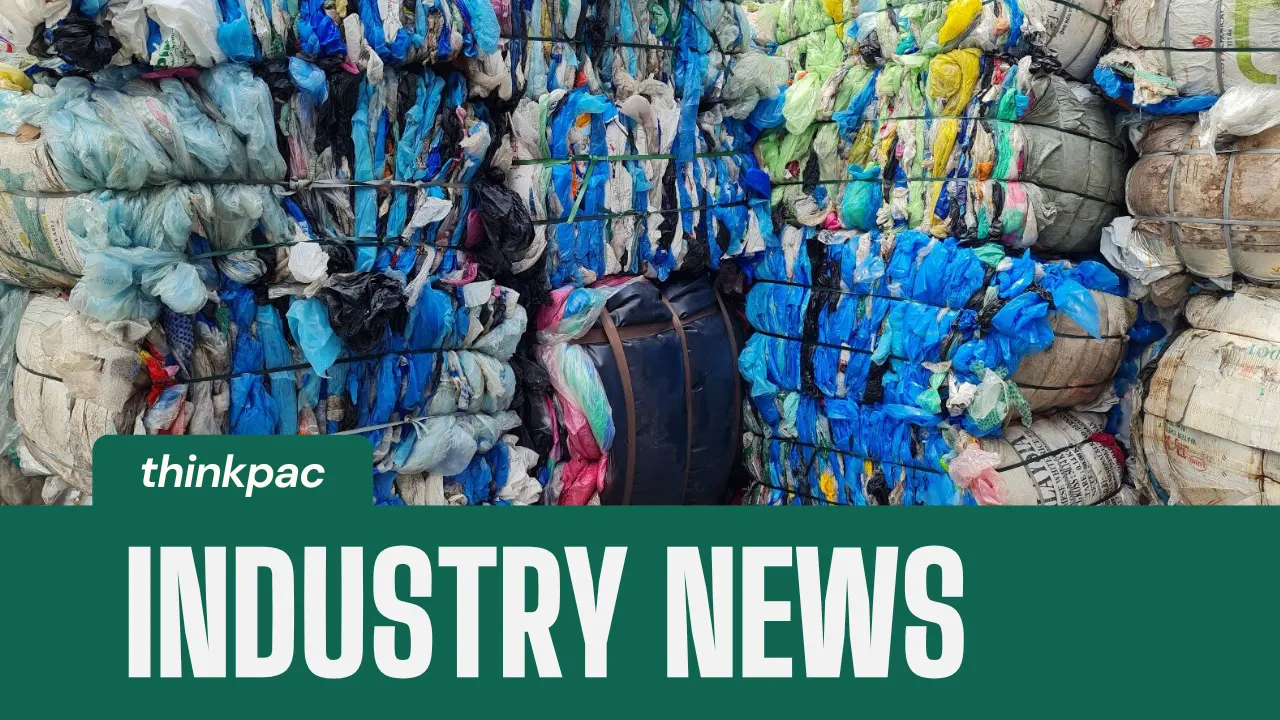
Most soft plastic is still sent to landfill. This includes bread bags, frozen food bags, chip packets, confectionery wrappers, bubble wrap and other flexible packaging formats.
As a result, supermarkets, food brands, packaging suppliers and consumers all need a stronger system. However, recycling alone will not solve the problem. Better packaging choices and lower plastic use also matter.
What Went Wrong with REDcycle?
REDcycle asked shoppers to drop used soft plastics into supermarket collection bins. The company said the material would be recycled into products such as benches, roads and other durable items.
However, the model could not keep up with the amount of material collected. Soft plastics are difficult to recycle because they are thin, flexible and often made from several layers of plastic.
Food contamination also creates problems. In addition, soft plastics can clog recycling equipment and produce limited usable output if the system is not designed for them.
When REDcycle stopped operating in 2022, Australians learned that large volumes of collected material had been stored in warehouses. Therefore, trust in supermarket soft plastic collection had to be rebuilt.
The ACCC’s New Proposal
The ACCC has proposed to authorise a new voluntary, industry-led program. The scheme will begin with supermarket drop-off points. Over time, kerbside collection may also be added as councils and processors build capacity.
Collected material may be processed through mechanical recycling or advanced recycling methods. The aim is to create new packaging and other useful products from recovered soft plastic.
Importantly, the ACCC also requires public reporting and conditions around recycler access. SPSA cannot sign exclusive recycling arrangements that would block competition.
Stage one
Supermarket drop-off points for household soft plastics.
Future growth
Possible kerbside collection as infrastructure improves.
End goal
More recovered plastic used in packaging and other products.
How the Scheme Will Be Funded
The program will be funded through a levy paid by companies that place soft plastic packaging on the market. The cost will depend on the volume of plastic they sell.
Reports indicate that the levy may start at around $160 per tonne and rise over time. Because suppliers and manufacturers pay the levy, some costs may flow through the supply chain.
For packaging buyers, this matters. It means soft plastic packaging decisions may carry a clearer cost in future procurement, especially when brands use formats that are hard to recover.
Recycling Alone Will Not Fix Soft Plastic Waste
The new program is a positive step. Even so, soft plastic recycling remains difficult. Many products use thin, layered materials that protect food but create problems at recycling plants.
In addition, contamination from food and labels can reduce material quality. If the recovered plastic has limited value, the system can struggle again.
Therefore, recycling must work alongside reduction and reuse. Consumers can choose loose produce, reusable bags and products with less plastic. Meanwhile, brands can design packaging that is easier to collect, sort and recycle.
What This Means for Packaging Buyers
For packaging buyers, the ACCC proposal shows that soft plastic accountability is increasing. Companies can no longer treat flexible packaging as a low-cost item with no end-of-life responsibility.
Instead, buyers should review the materials they use, the claims they make and the suppliers they trust. Recycled content, product certification and clear supply chain data will become more important.
The Australian Packaging Covenant Organisation also provides guidance for businesses working toward better packaging outcomes.
Looking ahead
Smarter Packaging Starts with Better Material Choices
Australia needs a stronger recovery system for soft plastics. However, businesses also need packaging that supports recycled content, lower waste and practical circular design.
Explore the ReCree8® Impact Calculator
You can also email info@thinkpac.com.au to discuss recycled packaging options.