Circular Packaging News
From Waste to ReCree8®: The Journey of PCR Plastic Packaging
PCR plastic packaging gives used plastic a second life. At thinkpac, we help turn post-consumer plastic into recycled packaging products that reduce virgin plastic use and support a stronger circular economy.
First, plastic is collected. Next, it is sorted, cleaned and processed. Then, it becomes recycled resin that can be used to make practical packaging products for businesses.
What This PCR Plastic Packaging Guide Covers
This guide explains how used plastic can move through the recycling process and return as useful packaging. It also shows why traceability, certification and recycled content matter for businesses that want stronger sustainability claims.
Collection
How used plastic starts its journey from homes, businesses and collection points.
Processing
How recycling teams sort, clean and turn plastic waste into PCR resin.
New products
How recycled resin becomes new packaging such as bin liners, pallet wrap and films.
Step 1: Collecting Plastic Waste
The journey starts when households and businesses place used plastic into recycling bins or commercial collection points. These items can include plastic bottles, bags, containers and flexible plastic films.
After collection, recycling teams send the materials to recovery facilities. This step keeps useful plastic away from landfill and creates the feedstock needed for recycled packaging.
Step 2: Sorting Recycled Plastic Materials
Next, recovery facilities sort the mixed recyclables. They remove unwanted items and separate plastic by type. As a result, recyclers can create cleaner material streams.
Magnets
Remove metal items from the material stream.
Air systems
Separate lighter plastic films and flexible materials.
Sorting technology
Groups different plastic types for better recycling quality.
Clean sorting improves resin quality. Therefore, it helps packaging makers create stronger and more reliable recycled products.
Step 3: Turning Plastic Into PCR Resin
Then, recyclers clean and process the plastic. This stage turns used plastic into PCR resin pellets. These pellets become the base material for new packaging.
Washing
Removes labels, residue and other unwanted materials.
Shredding
Cuts the clean plastic into smaller flakes.
Pelletising
Turns clean flakes into recycled resin pellets.
Because PCR resin comes from used plastic, it can reduce the need for virgin plastic and support circular material use.
Step 4: Making New PCR Plastic Packaging Products
After processing, manufacturers use PCR resin to make new packaging. At thinkpac, we focus on practical products that businesses can use every day.
♻️
Bin liners
Commercial liners with recycled content.
📦
Pallet wrap
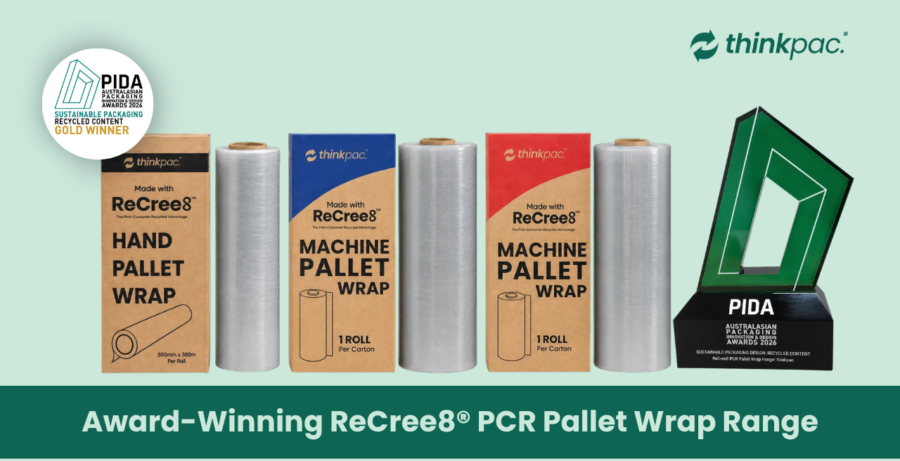
Recycled wrap for warehouses and logistics.
🌱
Flexible films
Films for business packaging needs.
✅
PCR options
Packaging that helps reduce virgin plastic use.
Sustainable packaging still needs to perform. That is why we balance recycled content with strength, usability and product reliability.
Step 5: Proving PCR Packaging Claims
Sustainability claims need proof. Therefore, businesses should ask for clear records, certification and product data before choosing recycled packaging.
Certification
GRS certification can help confirm recycled content claims.
Traceability
Chain-of-custody records show where materials come from.
Testing
Product testing helps confirm quality and performance.
Impact data
Clear data can support ESG and procurement reports.
With this information, businesses can avoid vague claims and make better packaging choices based on real evidence.
Why PCR Plastic Packaging Matters for Business
PCR packaging gives businesses a practical way to reduce virgin plastic use. It also helps teams improve reporting and explain their packaging choices more clearly.
🌍
Less virgin plastic
Reduces the need for new plastic.
📊
Better reporting
Supports sustainability and ESG goals.
🔄
More circularity
Gives used plastic another life.
✅
Clearer claims
Helps reduce greenwashing risk.
Also, packaging is easy to measure. For many organisations, it is one of the simplest places to start making better sustainability choices.
Learn More About Recycled Packaging Standards
To learn more about packaging sustainability in Australia, visit the
Australian Packaging Covenant Organisation.
Also, for recycled content certification, review the
Global Recycled Standard.
These resources can help businesses understand recycled content claims, circular economy goals and responsible packaging procurement.
Final Thoughts: Every Bin Counts
The next time plastic goes into a recycling bin, it may return as a thinkpac bin liner, pallet wrap or flexible film. That is the value of using recycled materials in real packaging products.
Together, businesses can reduce waste, decrease reliance on virgin plastic and help close the loop in the circular economy.
Every packaging choice matters because every product can support a cleaner and more accountable supply chain.
Next steps
Start Your PCR Packaging Journey
Contact the thinkpac team to assess your packaging impact, explore certified PCR packaging and identify practical ways to reduce your environmental footprint.