Sustainable Packaging Guide
PCR: The Gold Standard in Sustainable Packaging
Post-consumer recycled content is one of the clearest ways for businesses to move beyond vague sustainability claims and choose packaging with measurable impact.
In a packaging market filled with terms like eco-friendly, recyclable and green, PCR packaging gives brands a stronger path forward. It supports circular economies, reduces reliance on virgin plastic and helps businesses prove their environmental progress with better data.
Why Post-Consumer Recycled Content Matters
If your business is serious about sustainability, it is important to move past buzzwords and look for real proof. Post-consumer recycled content helps turn used plastic waste into valuable packaging materials instead of letting it end up in landfill, oceans or incineration streams.
As regulations become stricter and customer expectations continue to rise, using recycled content is no longer just a nice addition. It is becoming an important part of responsible procurement, ESG reporting and long-term packaging strategy.
Key takeaway: PCR packaging helps reduce plastic waste, lower carbon impact and support a more circular packaging industry.
What Is Post-Consumer Recycled Content?
Post-consumer recycled content comes from materials that have already completed their first use. Examples include used plastic bottles, containers, films and other packaging items that are collected, sorted, cleaned and processed into new materials.
This is different from pre-consumer waste, which usually refers to manufacturing scraps or unused offcuts. While both can help reduce waste, PCR material plays a stronger role in keeping real consumer waste in circulation.
PCR vs Pre-Consumer Waste
Understanding the difference between PCR and pre-consumer waste helps businesses make better packaging decisions. It also helps procurement teams avoid unclear claims and choose materials with stronger environmental value.

Post-consumer recycled content
Comes from materials recovered after consumer use. It helps reclaim plastic waste and turn it into new packaging products.
Pre-consumer waste
Comes from production offcuts, manufacturing scraps or unused material before it reaches the customer.
Incorporating post-consumer recycled plastic into packaging helps reclaim valuable raw material that would otherwise contribute to pollution. As a result, PCR packaging supports stronger circular economy outcomes.
Why PCR Material Matters More Than Ever
PCR material helps businesses reduce waste, lower carbon impact and respond to growing pressure from customers, retailers and regulators. More importantly, it gives brands a practical way to turn sustainability goals into action.
1. Reduces Plastic Waste
Every time your business uses recycled plastic packaging, it helps prevent plastic from entering landfill, waterways or incineration.
2. Cuts Carbon Footprint
PCR production can use less energy than virgin plastic production. Therefore, it can help businesses reduce emissions linked to packaging.
3. Supports Market Expectations
Governments, retailers and consumers now expect businesses to choose packaging materials with clearer proof and better sustainability outcomes.
How PCR Packaging Adds Business Value
PCR packaging does more than reduce environmental impact. It can also help improve brand trust, strengthen procurement decisions and support customer loyalty.
Builds trust
Certifications and documentation help prove that packaging claims are based on real recycled content.
Creates differentiation
Verified PCR packaging helps your brand stand apart from vague eco claims and unverified green messaging.
Supports loyalty
Customers increasingly look for products made from recycled materials, not just packaging that claims to be recyclable.
What to Look for in Quality PCR for Sustainable Packaging
Not all recycled materials suit every packaging application. High-quality PCR packaging must meet clear standards for strength, consistency, traceability and performance.

Verified recycled content
Look for proof that the material comes from genuine post-consumer recycled sources.
Consistent performance
The packaging should still meet the strength, durability and usability requirements of your operation.
Traceability
Documentation should show where the material came from and how it became part of the final packaging.
Reporting support
Strong suppliers can provide data that helps support ESG, procurement and sustainability reporting.
The thinkpac Advantage: Certified, Impact-Driven PCR Packaging
At thinkpac, we help businesses move away from virgin plastic and toward packaging made with verified post-consumer recycled content. Through our ReCree8® program, we support practical packaging choices backed by documentation, impact reporting and performance.
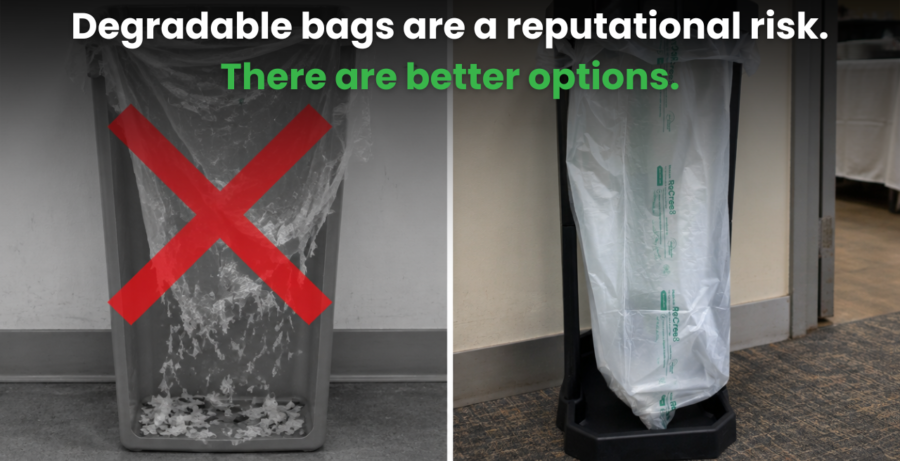
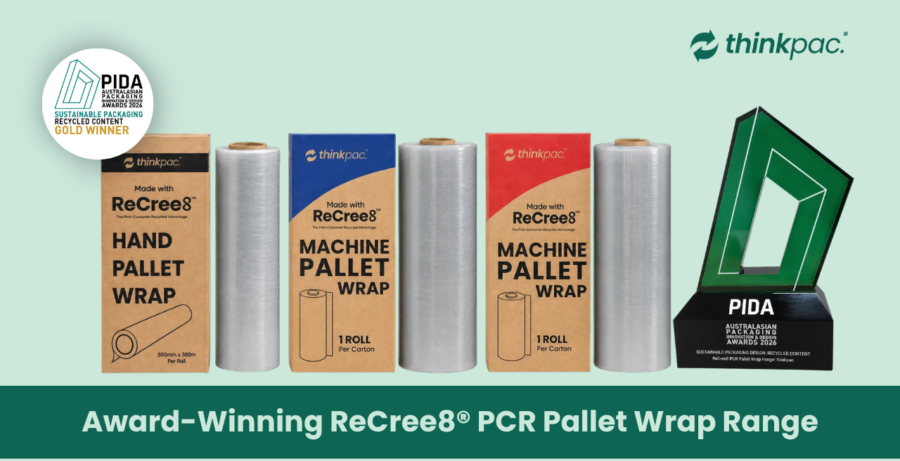
Our recycled packaging range includes bin liners, pallet wrap and flexible packaging designed for commercial and industrial use. Therefore, businesses can make better packaging decisions without disrupting day-to-day operations.
♻️
PCR bin liners
Made with certified recycled plastic for commercial use.
📦
PCR pallet wrap
Built for warehouse and industrial packaging performance.
🌱
Flexible packaging
Designed to replace virgin films in everyday applications.
Learn More About Recycled Packaging Standards
Businesses can strengthen their packaging decisions by reviewing recognised sustainability standards and industry guidance. For recycled content, you can learn more about the
Global Recycled Standard.
For broader packaging sustainability in Australia, you can also visit the
Australian Packaging Covenant Organisation.
You can also explore ReCree8® resin, try the
ReCree8® Impact Calculator, or view our
products.
Final Thoughts: Real Change Starts With Recycled Content
The future of packaging is not only about being recyclable. It is also about using materials that have already been recovered, processed and returned to productive use.
As recycled and sustainable packaging materials become more important, leading businesses are moving from intention to action. PCR packaging offers one of the most credible and practical steps toward a more sustainable future.
The real question is not whether your business should embrace post-consumer recycled content. The better question is how soon you can start.
Next steps
Ready to Replace Virgin Plastic With Verified PCR?
Explore thinkpac’s complete line of packaging made from recycled materials. Our team can help assess your packaging impact and identify practical ways to transition toward certified PCR solutions.