
Packaging Policy and Circularity
Extended Producer Responsibility: A Catalyst for Industry Change
Extended Producer Responsibility is changing how businesses think about packaging, recycling and product waste.
In simple terms, Extended Producer Responsibility means producers take greater responsibility for the full life of their products. This includes design, packaging, disposal and recycling. As a result, businesses have a stronger reason to choose better materials, reduce waste and support circular packaging systems.
What Extended Producer Responsibility Means for Packaging
Extended Producer Responsibility, also known as EPR, is a policy approach that makes producers financially or operationally responsible for the end of life of their products. For packaging, this means companies may need to think beyond the sale and consider what happens after customers use the product.
Therefore, EPR can help create a fairer system. Businesses that design packaging for reuse, recycling or recovery can be rewarded. Meanwhile, packaging that creates more waste may carry higher costs.
Better design
Encourages packaging that uses fewer virgin materials and supports recycling.
Clearer responsibility
Makes producers more accountable for packaging waste after use.
More circularity
Supports systems where materials are reused, recovered and made into new products.
For wider packaging policy context, you can visit the
Australian Packaging Covenant Organisation.
Why PCR Resin Supports Extended Producer Responsibility
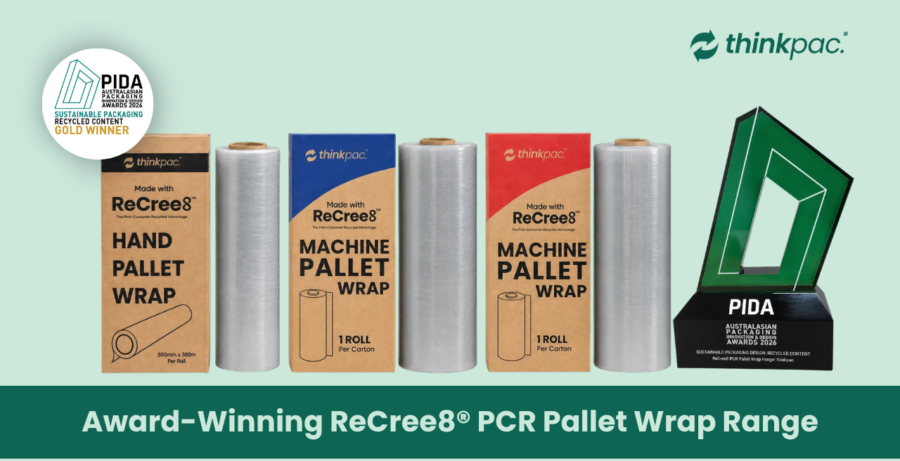
At thinkpac, our work focuses on turning post-consumer waste into high-quality PCR resin, known as ReCree8® resin. This recycled resin can help businesses reduce their reliance on virgin plastic and support stronger circular economy outcomes.
In addition, EPR can make recycled materials more attractive. When producers need to account for packaging waste, PCR resin gives them a practical way to lower impact and improve material recovery.
PCR resin turns waste into value
Instead of using only new plastic, businesses can use post-consumer recycled resin in packaging products. As a result, recovered plastic gains value and stays in use for longer.
Learn more about
ReCree8® resin
and how it supports recycled-content packaging.
PCR Resin and the Circular Economy
PCR resin supports a circular economy because it gives used plastic a new purpose. Rather than treating plastic as a single-use material, businesses can reuse recovered material in new packaging.
This matters because packaging waste is a major challenge for many industries. However, when companies choose recycled content, they help reduce demand for virgin plastic and support stronger recycling systems.
♻️
Less waste
Keeps useful material away from landfill.
🌱
Lower reliance
Reduces the need for virgin plastic inputs.
📊
Better reporting
Supports packaging and ESG progress.
✅
More accountability
Fits with EPR and producer responsibility goals.
For more circular economy guidance, visit the
Ellen MacArthur Foundation.
thinkpac’s Leadership in Sustainable Packaging
thinkpac is proud to support the move toward more sustainable packaging. Our ReCree8® resin reflects our focus on quality, innovation and real circular outcomes.
We also believe that Extended Producer Responsibility can help more companies make the shift. When industry policy rewards better material choices, businesses have a stronger reason to act.
High-quality PCR resin
ReCree8® resin supports flexible packaging that performs in real business settings.
Recycling experience
Our process helps recover value from post-consumer plastic waste.
Circular commitment
We help close the loop by turning used material into new packaging products.
How Extended Producer Responsibility Can Incentivise Change
For manufacturers, the message is clear. Choosing PCR resin is not only better for packaging waste outcomes. It can also become a smarter business decision as EPR policies grow.
For example, EPR can encourage businesses to compare virgin materials with recycled options. It can also help teams consider the full cost of packaging, including disposal and recovery.
As a result, more companies may shift from virgin resin to PCR resin. This shift can create a stronger, more competitive and more resilient packaging industry.
Packaging Solutions That Support EPR Goals
Businesses can start by choosing packaging products that use recycled content and support practical waste reduction. Therefore, procurement choices can become a direct part of sustainability action.
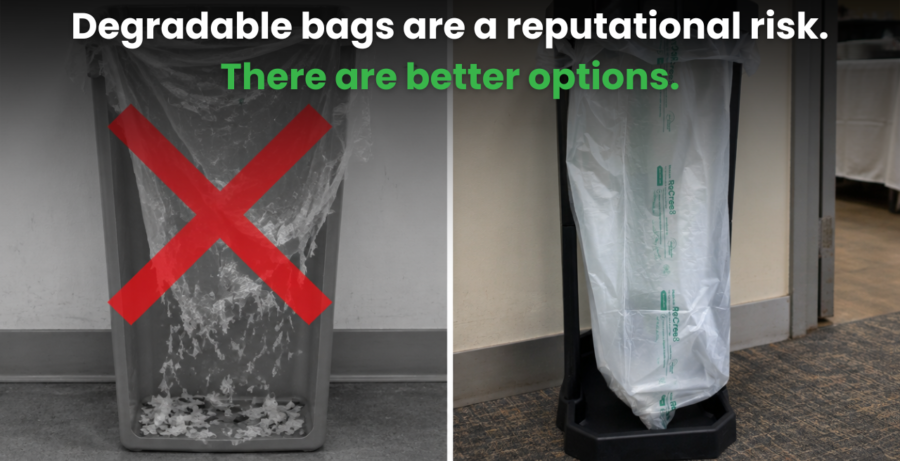
Bin liners and garbage bags
Support cleaning, facilities, hospitality and commercial waste operations.
Flexible packaging
Helps businesses reduce virgin plastic use in daily packaging needs.
Impact measurement
Gives teams clearer data for procurement and sustainability decisions.
Circular packaging support
Helps businesses move from waste-heavy packaging to better material choices.
Explore our
bin liners and garbage bags
or try the
ReCree8® Impact Calculator.
Final Thoughts: EPR Can Help Build Better Packaging Systems
Extended Producer Responsibility can help the packaging industry move away from a take, make and waste model. Instead, it encourages businesses to think about the full life of the products they place on the market.
By choosing PCR resin and supporting circular systems, manufacturers can reduce reliance on virgin plastic and help build a cleaner packaging future.
At thinkpac, we welcome this shift. Together, businesses can turn waste into value and make sustainable packaging a practical part of everyday operations.
Make the sustainable switch
Explore PCR Resin for Your Packaging Process
Speak with the thinkpac team about ReCree8® PCR resin, sustainable packaging options and practical ways to support Extended Producer Responsibility goals.