Recycling Education
Plastic Recycling Misconceptions Explained
Plastic recycling misconceptions can make it hard for businesses and consumers to know what really happens to plastic waste.
Some people believe all plastics can go in the same recycling bin. Others think recycled plastics are unsafe or use more energy than virgin plastic. However, the truth is more practical. Recycling works best when people understand the material, the process and the right disposal pathway.
Why Plastic Recycling Misconceptions Matter
Recycling plastics can reduce waste, save resources and support a circular economy. However, confusion can lead to poor sorting, contamination and missed recycling opportunities.
For example, some plastic packaging needs special collection. Other items may work better in kerbside recycling. Therefore, clear education helps people make better choices.
In this guide, we explain common plastic recycling myths and share simple ways to choose better packaging.
Common Plastic Recycling Myths
These myths appear often in homes, workplaces and supply chains. As a result, they can slow down real progress.
Myth 1
All plastics can go in the same bin.
Myth 2
Recycling uses more energy than making new plastic.
Myth 3
Recycled plastics cannot be safe or useful.
Myth 4
Biodegradable plastics belong in normal recycling.
Plastic Recycling Misconception 1: All Plastics Can Be Recycled the Same Way
This is one of the most common recycling myths. Different plastics have different properties, so they do not all suit the same recycling process.
PET and HDPE are among the most common plastics accepted through many recycling systems. These materials often appear in drink bottles, milk bottles and similar rigid packaging.
However, soft plastics and films can be harder to process. They often need dedicated collection, sorting and recycling partners.
For more background, you can read this CSIRO article about soft plastics recycling.
Plastic Recycling Misconception 2: Recycling Uses More Energy
Many people believe recycling plastics takes more energy than making new plastic. However, recycling often uses less energy because it avoids parts of the virgin plastic process.
Virgin plastic production starts with fossil fuel extraction and processing. Then it moves through refining and polymer production.
Recycling usually focuses on sorting, cleaning, melting and reprocessing existing material. As a result, it can reduce resource use and support lower-impact manufacturing.
Plastic Recycling Misconception 3: Recycled Plastics Are Not Useful
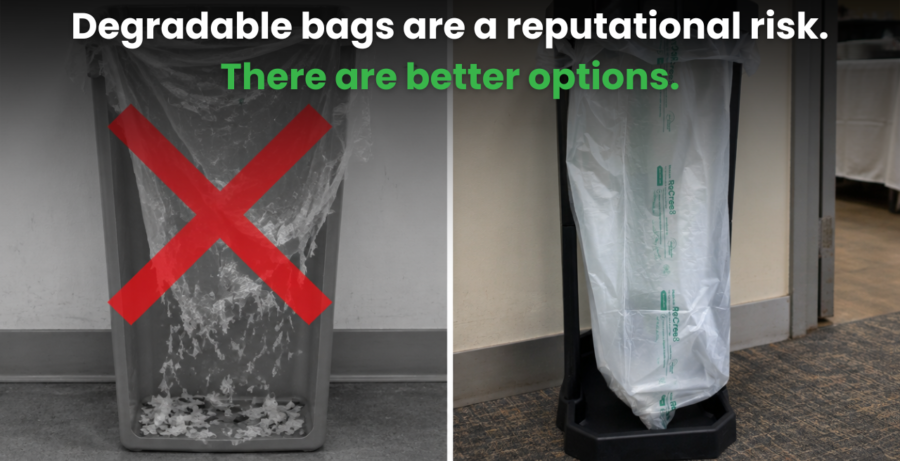
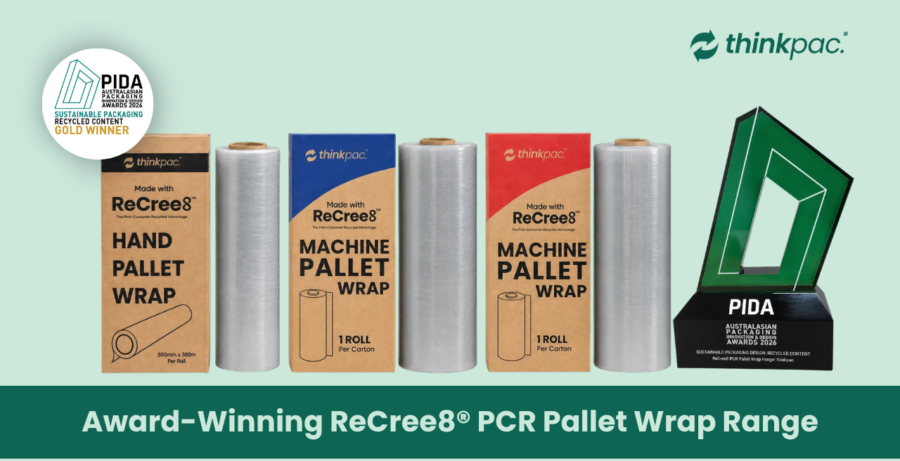
Recycled plastics can support many practical applications. For example, they can become bin liners, pallet wrap, bags, containers and other packaging products.
The key is quality control. Recycled materials need the right sorting, cleaning and testing before they become new products.
At thinkpac, our ReCree8® resin helps turn post-consumer soft plastics into practical packaging materials for business use.
Plastic Recycling Misconception 4: Biodegradable Plastics Can Join Normal Recycling
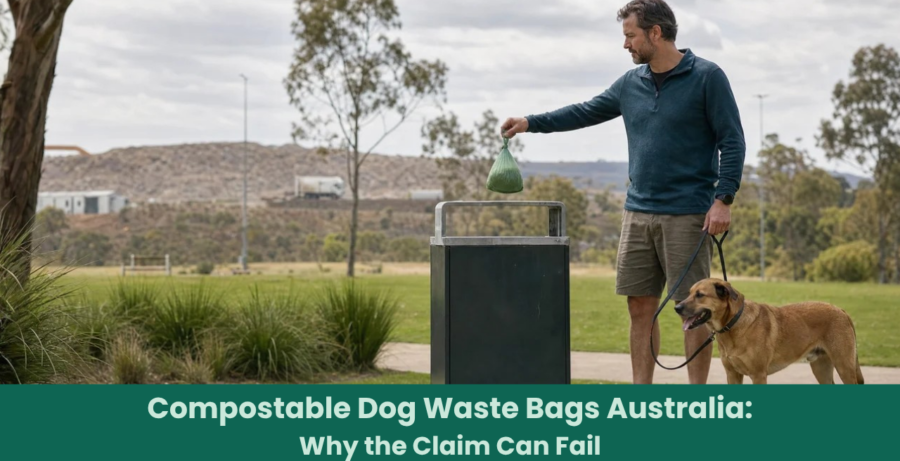
Biodegradable and compostable plastics need special handling. They should not automatically go into standard plastic recycling.
If these materials enter the wrong recycling stream, they can contaminate the batch. This can make recycling harder and reduce the value of the recovered material.
Therefore, always check the disposal instructions and local collection rules before placing biodegradable or compostable packaging in any bin.
How to Avoid Plastic Recycling Confusion
Better recycling starts with better choices. Use these simple steps to reduce confusion in your home, workplace or supply chain.
Check the material
Find out what type of plastic the item uses before placing it in recycling.
Follow local rules
Council and collection programs may accept different items, so local guidance matters.
Choose recycled content
Buying recycled products helps create demand for recycling systems.
How thinkpac Supports Better Plastic Recycling
Recycling does not end when someone places plastic in a bin. It also needs demand for products made with recycled content.
That is why thinkpac focuses on practical packaging made with post-consumer recycled materials. Our goal is to help businesses replace virgin plastic where possible.
You can explore our sustainable packaging range, learn about ReCree8® resin, or visit our sustainability page.
Learn More About Recycling Plastics
To learn more about packaging and recycling in Australia, you can visit the Australian Packaging Covenant Organisation.
You can also explore broader circular economy resources through the Ellen MacArthur Foundation.
Final Thoughts: Better Recycling Starts with Better Knowledge
Plastic recycling misconceptions can stop people from making good choices. However, clear information can change that.
Not all plastics follow the same pathway. Some work in standard recycling, while others need special collection or different disposal.
Most importantly, recycling improves when businesses and consumers choose products made with recycled content. This creates demand and helps keep valuable materials in use.
Choose better packaging
Move Beyond Plastic Recycling Misconceptions
Contact the thinkpac team to explore recycled packaging products that support your sustainability goals.