Circular Economy Insight
Tackling Australia’s Soft Plastic Dilemma
Soft Plastic Dilemma solutions need more than collection. They need trusted recycling, real circular pathways and products made with recovered material.
thinkpac helps support this shift by turning soft plastic waste into practical recycled packaging products.

Understanding Australia’s Soft Plastic Dilemma
Australia faces a serious challenge with soft plastic waste. Plastic bags, flexible packaging and food packaging often have limited recycling pathways.
As a result, many soft plastics still end up in landfill, stockpiles or the natural environment. This creates pressure on businesses, communities and recycling systems.
However, a circular economy approach can help. By recovering soft plastics, recycling them and turning them into new products, we can keep valuable materials in use.
Why the Soft Plastic Dilemma Needs Action
Soft plastics are useful, but they can be difficult to collect and process. Therefore, businesses need practical recycling pathways and stronger demand for recycled products.
High waste volume
Soft plastics appear across homes, retail, logistics and food packaging.
Limited processing
Many local systems cannot process all soft plastics at scale.
Landfill risk
Without strong pathways, soft plastics can become waste or pollution.
Circular opportunity
Recovered material can become new recycled packaging products.
The Soft Plastic Waste Challenge in Australia
Soft plastics include items such as plastic bags, wraps, films and some food packaging. These materials are lightweight and flexible, which makes them useful for packaging.
However, the same features can make recycling harder. Soft plastics can tangle in equipment, collect contamination and require special sorting.
Because of this, Australia needs a mix of collection, recycling, product design and recycled material demand to make the system work.
A Circular Solution: Export, Recycle and Reimport
One practical pathway is to export soft plastic waste to trusted recycling facilities, process it responsibly and bring it back as value-added products.
This approach can help when local recycling capacity is limited. It also gives soft plastic waste a real pathway into new packaging.
Learn more about closing the loop with Australian recycled plastics.
Benefits of a Circular Economy Approach
A circular approach does not treat soft plastic as rubbish. Instead, it treats the material as a resource that can return to use.
Environmental stewardship
Responsible recycling helps reduce landfill pressure and lowers the risk of soft plastic pollution.
Circular economy value
Reimported recycled products close the loop and reduce reliance on virgin plastic.
Economic opportunity
Demand for recycled material can support investment, jobs and stronger recycling systems.
Education and awareness
Using recycled products helps people see that soft plastic waste can become useful again.
Thinkpac’s Role in Tackling the Soft Plastic Dilemma
Thinkpac supports a closed-loop model for soft plastics. We focus on turning post-consumer soft plastic waste into useful recycled packaging products.
Our experience in soft plastic recycling and manufacturing helps us connect waste recovery with practical product outcomes.
This gives businesses a way to support recycling through their purchasing choices, not just their waste disposal choices.
From Soft Plastic Waste to Recycled Packaging
Recycled soft plastic needs a market. Without demand for recycled products, collection programs struggle to create long-term impact.
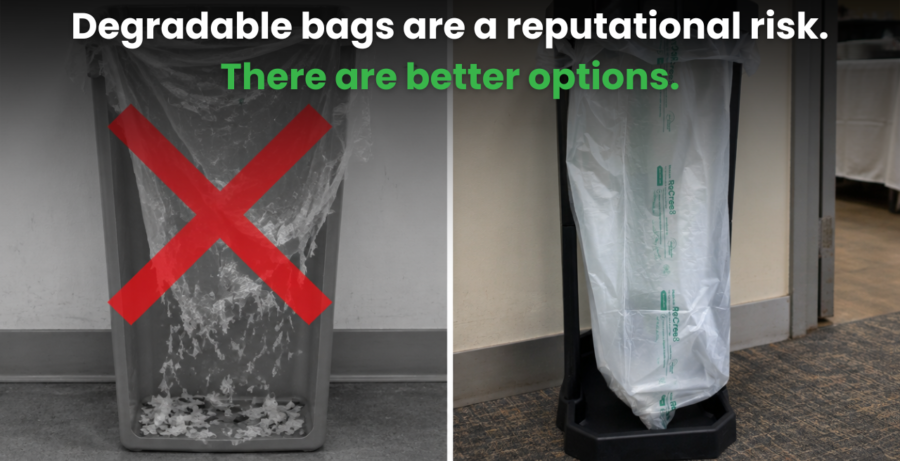
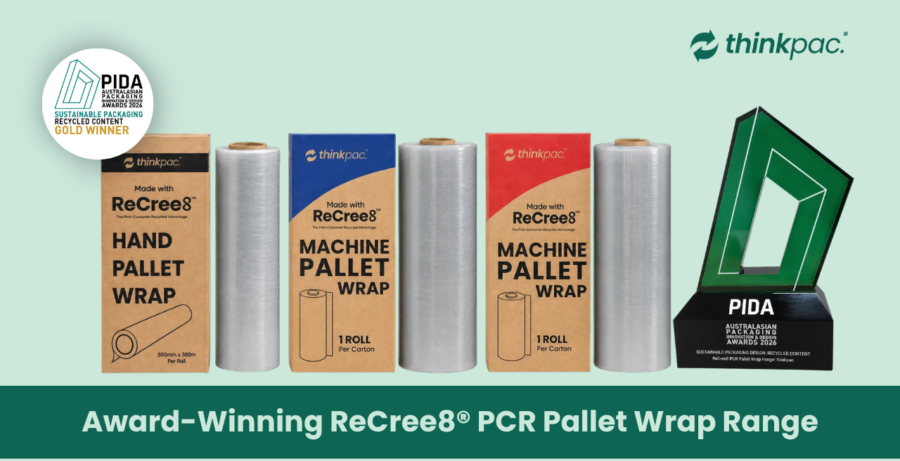
That is why Thinkpac creates packaging products that use recovered material. This helps turn soft plastic waste into bin liners, pallet wrap and other practical packaging.
Explore our ReCree8® resin and sustainable product range.
Why Businesses, Government and Communities Must Work Together
No single group can solve the soft plastic dilemma alone. Government, industry, recyclers, businesses and communities all have a role to play.
Businesses can create demand by buying recycled packaging. Governments can support better systems. Communities can reduce contamination and recycle correctly.
Together, these actions can move soft plastics away from landfill and into a stronger circular economy.
Learn More About Recycling and Circular Economy
To learn more about packaging action in Australia, visit the Australian Packaging Covenant Organisation.
You can also explore circular economy principles through the Ellen MacArthur Foundation.
Final Thoughts: Turning the Soft Plastic Dilemma Into Opportunity
Australia’s soft plastic challenge is serious, but it also creates an opportunity to rethink waste.
By recycling soft plastics and using them in new products, businesses can help build real circular demand.
Thinkpac is ready to help businesses take that step with practical recycled packaging solutions.
Support circular packaging
Help Tackle the Soft Plastic Dilemma With Thinkpac
Contact the thinkpac team to explore recycled packaging products that support circular economy goals.